FeatureEmily Orchard7 min read
Your 2027 concert ticket is a loan, and the fan is the one lending
Zach Bryan's December 2027 stadiums go on sale this week, 421 days out. Here is where that money sits for a year, who earns on it, and why the wait keeps growing.
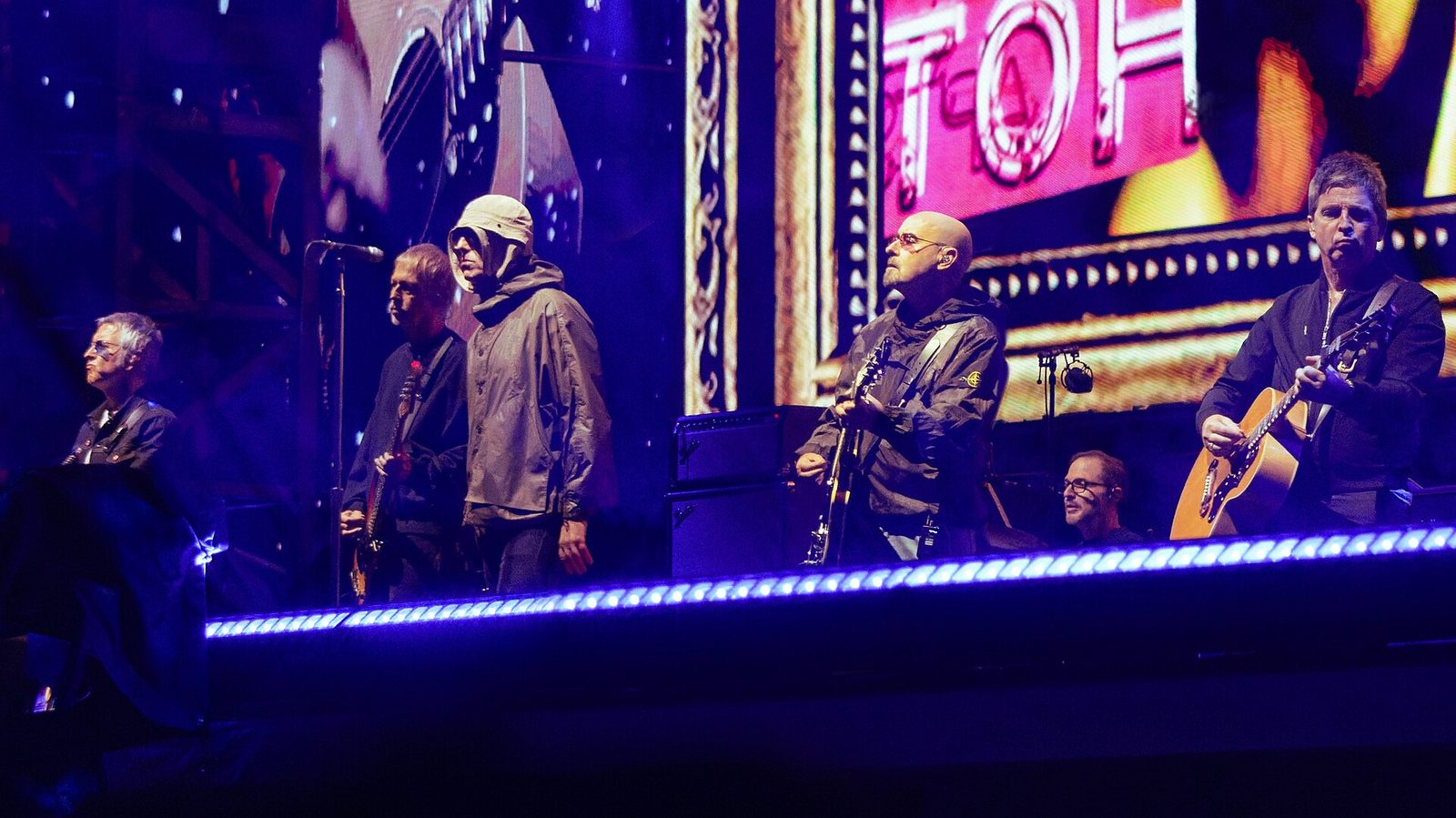
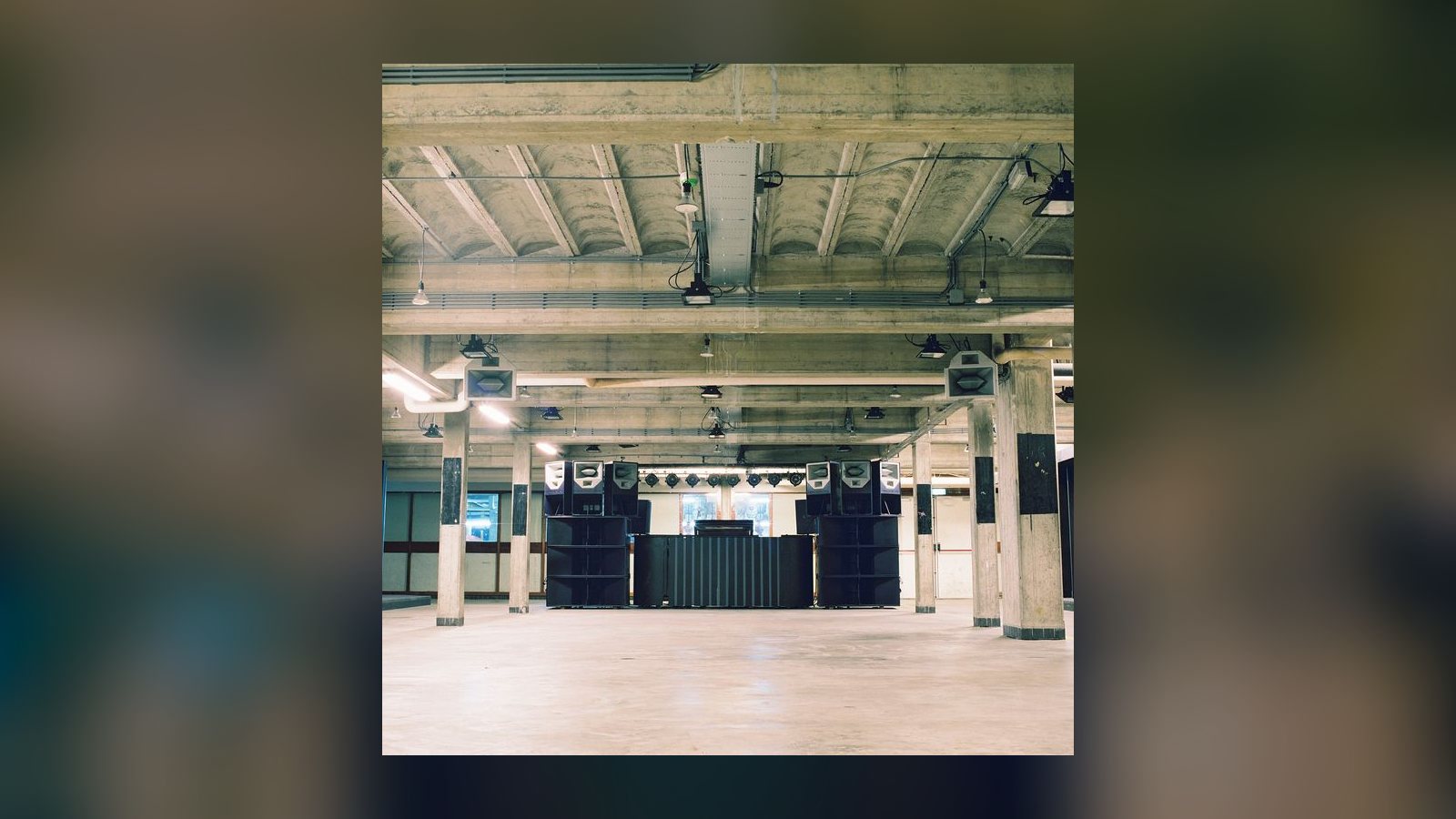
Photo: Raph_PH / CC BY 4.0 via Wikimedia Commons
On Saturday 27 September 2025, Oasis walked onto the stage at Wembley Stadium for the second of two nights they had added when demand swamped their first reunion sale. A lot of the people in front of them had paid for that evening on 14 September 2024, in a ticket ballot. That is 378 days between handing over the money and hearing "Rock 'n' Roll Star".
That gap is now normal. This Friday, 23 October 2026, general sale opens for Zach Bryan's 2027 stadium tour, whose last show is at Suncorp Stadium in Brisbane on 18 December 2027: 421 days away. The same morning, tickets go on general sale for Bon Jovi at BST Hyde Park on 24 June 2027, 244 days out.
Here is the thing a buyer rarely thinks about. A ticket for a show next year is a short-term loan from the fan to the concert business, at zero interest, and the numbers in the biggest promoter's own accounts show how large that loan has become. This piece walks through where the money goes, who benefits from the wait, and what a fairer version would look like.
What happens to your money the day you buy
When you buy a ticket, the ticketing company takes the cash at the moment of sale. If the promoter or venue controls the ticketing for its own show, that money is not yet revenue. Live Nation's annual report for 2025 puts it plainly: "Revenue collected in advance of the event is recorded as deferred revenue until the event occurs."
Deferred revenue is an accounting term for money you have been paid for something you have not delivered yet. On the books it is a liability, because if the show does not happen, the money goes back. Live Nation says those funds are "typically refunded to the fan within 30 days of event cancellation."
Meanwhile, the cash is real and it sits in the company's bank balance. The same filing says artist advances, the money a promoter pays an act before the tour, are recorded in prepaid expenses until the event happens. So the promoter's side of the ledger works like this: fans pay in months ahead, artists get part of their fee ahead, and everything settles on the night.
The artist is paid after the show under a formula that may include a fixed guarantee or a share of ticket sales or profit, minus any advance already received. The fan, alone in this chain, has paid in full and gets nothing back until the lights go down.
The float, in numbers
Live Nation calls its version "event-related deferred revenue", and it reports the figure every quarter.
- On 31 December 2025 it stood at $4.0 billion, up 21% on a year earlier.
- By 31 March 2026, after the spring on-sales for the summer, it was $6.6 billion, up 22%. The company's first quarter release called it a record.
- On 30 June 2026 it was $6.4 billion, up 25% on the same point in 2025, according to the second quarter release of 30 July.
That is one company. At the end of June it was also holding $9.07 billion in cash and cash equivalents, and it reported $82.2 million in interest income for the first six months of 2026, after $150.4 million across 2025. Interest is earned on all of that cash, not only on fans' ticket money, so it would be wrong to say the float produced that exact sum. But simple arithmetic shows the scale: every 1% of annual interest on $6.4 billion is $64 million a year.
On the Ticketmaster side there is a second pile. The second quarter release lists $5.2 billion in deferred ticketing gross transaction value, meaning tickets already sold for shows Ticketmaster handles on behalf of other promoters and venues, plus $390 million in deferred service fees. Live Nation's annual report says it "generally" does not use that client cash for its own financing or investing.
The seasonality tells the story too. The annual report notes that for concerts, "the majority of the inflows generally occur prior to the event." Fans pay in winter and spring; the shows happen in summer.
Why the wait keeps growing
It is fair to say the long runway is not only about money. A stadium tour has to be built around football. In the US the NFL season runs from September to February; in England the Premier League runs from August to May. Stadium dates are scarce and get locked a year or more ahead, and promoters want the money in before they commit to production, staging and insurance.
Early sales also produce something promoters value as much as cash: information. Powderfinger, the Brisbane band reuniting after 16 years, opened their artist presale on 14 October 2026 for shows from 3 September 2027. Within days they had added eight more nights, taking 18 dates to 26, before the general sale even began. Oasis added their two September Wembley nights on 4 September 2024, four days after the first sale. A long on-sale lets a promoter count demand and add dates before the tour exists.
And Live Nation itself does not pretend the float is spare money. When it calculates its "available cash", it subtracts event-related deferred revenue, ticketing client cash and money owed to artists. The company treats fans' money as fans' money.
All true. None of it changes who carries the cost of the wait.
ADMC's own gig guide shows how far the calendar has stretched. Of the 973 dates added since it opened on 4 October 2026, 552 are in 2027. Of the 310 we added in the past seven days, 229 are next year. The median gap between a date going into the guide and the show itself is 120 days; a quarter of all dates are more than 195 days away, and a tenth more than 261. Arijit Singh's nine-city India tour was announced on 5 October and runs from Ahmedabad on 9 January to Hyderabad on 15 May 2027. The pattern holds in Mumbai, Sydney, London and Minneapolis alike.
Who carries the risk
Think about what a fan is actually exposed to during those 421 days. Plans change: jobs, exams, babies, visas. The ticket often cannot simply be sold on. For the 2025 Oasis shows in the UK and Ireland, the band's rules allowed resale only at face value and only through Ticketmaster and Twickets. That rule protected fans from touts, which is good. It also meant a fan who could no longer go got back exactly what they had paid a year earlier, with nothing for the year their money spent in somebody else's account.
If a show is cancelled, the refund comes back without interest. If it is postponed, the money usually stays where it is for longer. The promoter has cancellation insurance for a portion of its losses, which Live Nation lists among its own protections. The fan has no equivalent unless they buy one.
None of this means early on-sales are a con. They are a reasonable way to fund a very expensive business, and the alternative, selling a stadium three months out, would make tours riskier and probably dearer. The question is who should pay for the time.
The festival that already answers it
The UK's best-known festival already does it differently. Glastonbury 2027 runs from 23 to 27 June. Its tickets went on sale this month and sold out, but buyers paid only a £100 deposit per person in October. The balance of £308 is due in the first week of April 2027, less than three months before the gates open. Miss the payment and the ticket goes back into the April resale for someone else.
That is the model worth copying for any show more than six months away: a deposit to lock the seat, the balance closer to the date. The promoter still gets the demand data on day one. The fan keeps most of their money for most of the year. And the industry would have to say out loud what it already shows in its quarterly reports: that the wait is worth billions, and the people paying for it are the ones in the crowd.
Share this story