FeatureSam Grizelj4 min read
42 UK independent festivals have fallen in 2026. Nine blamed ticket sales, a dozen are gone for good
The festivals trade body's own tracker doubled from 20 in June to 42 in November. Read line by line, it shows who is going under, and why the closures are not about the headliners.
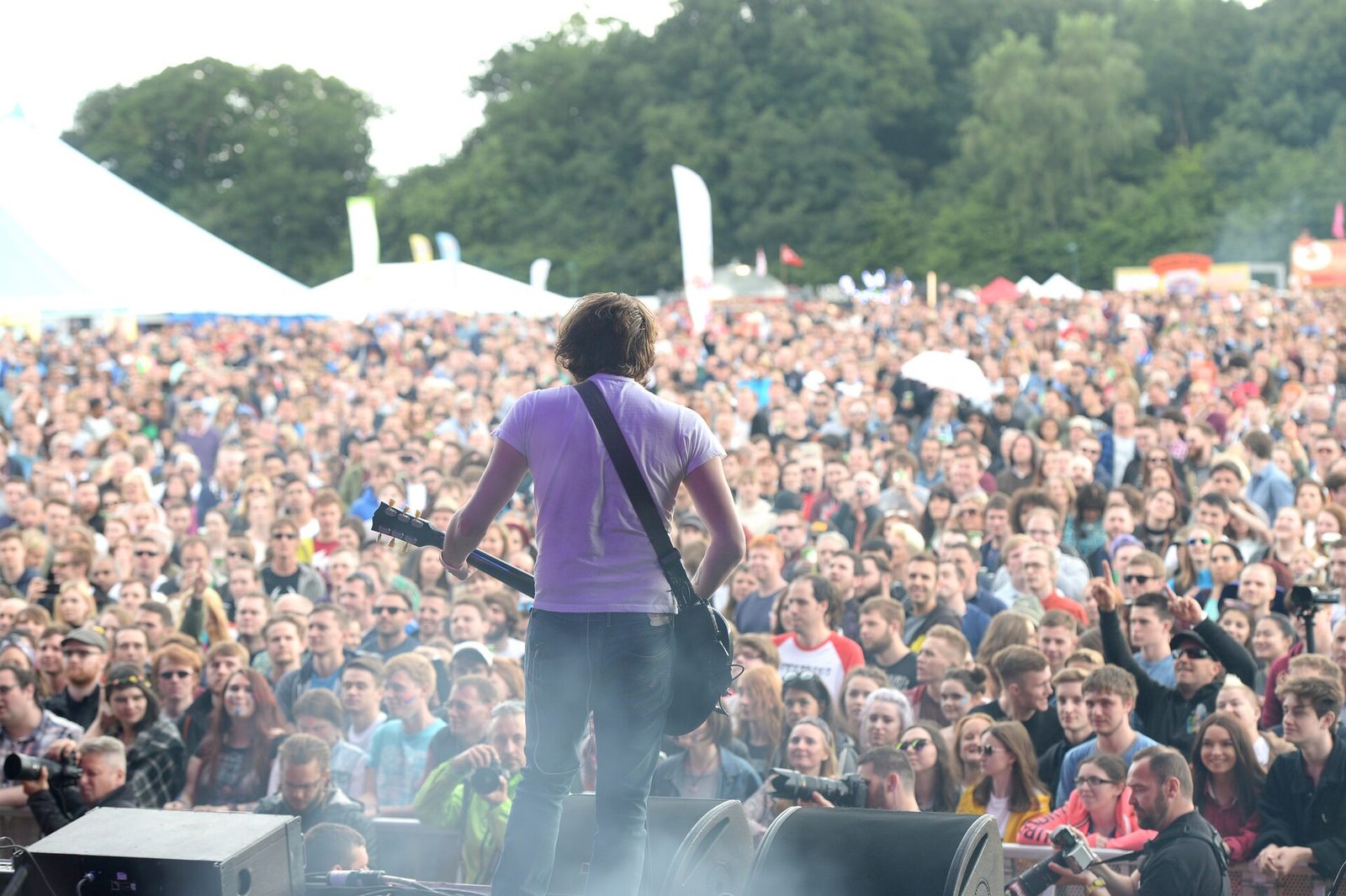
Photo: SirCarrington / CC BY 4.0 via Wikimedia Commons
On 10 June, the Association of Independent Festivals put out a statement with a number in its headline: Womad Glasgow had just become the 20th UK festival to fall in 2026. Five months later the same trade body's Fallen Festivals tracker says 42. The count more than doubled in less than half a year, and we read the whole list to see what it says.
For readers outside Britain: "independent" here means festivals that are not owned by a big promoter, the weekends that sit between a pub gig and Glastonbury. They are where a lot of UK acts play their first summer slots. A "fallen" festival is one that has cancelled, postponed, taken a fallow year or closed.
The year in numbers
The tracker's own totals: at least 96 fell during the pandemic, 36 in 2023, 78 in 2024 and 43 in 2025. At 42 with seven weeks of the year still to run, 2026 is already one short of 2025's total.
Sorting the 2026 entries by what each organiser or tracker note actually says, we count:
- Nine that name weak ticket sales as the cause: Replay Perth, Country in the Country, Country on the Eye, Womad Glasgow, ReyFest, Hush Festival, Paisley Alive, Back of House and Red Rooster.
- At least a dozen that have ended for good or gone into liquidation, among them Found, Maui, Alstock (after its 20th edition), Goodentime, Splendour, Linton (after its 25th), Boundary (after ten years), Solfest (after more than 20 years), Kernowfornia, Morvala and Nibbly. Madruga has said 2027 will be its last.
- About twenty pushed back to 2027 or paused, including the three Discovery Festival dates in Dundee, Darlington and Plymouth, and fallow years for Godiva, Wide Awake, Black Isle Calling, Lochaber Live and Under The Drum.
Electric Bay is the odd one out: the tracker says it could not secure the headliners it needed. Almost everywhere else, the headliner was not the problem. The room was.
Costs up, crowds thin
Red Rooster's own statement, as quoted on the tracker, puts the squeeze in one sentence: reduced ticket sales, rising operating costs and funding shortfalls, "compounded" by inflation, higher fuel and transport costs, supply chain pressure and cost-of-living pressure on audiences. Maui cited rising costs and red tape. Hush listed poor sales and rising production costs together, and may try a micro event on some of its dates instead.
Country in the Country gave the clearest description of the maths. The organisers said the event is entirely self-funded and sales had not reached the level needed to deliver the show "that both our customers and artists deserve", so they cancelled rather than cut quality. A festival with no investor and no sponsor has no cushion: if ticket sales stall, the cost of stages, fencing, insurance and fees stays the same.
There is a regional pattern too. At least six entries are in Scotland: Womad Glasgow, Paisley Alive, Fun For Life Glasgow, Discovery Dundee, Black Isle Calling and Lochaber Live. Replay Perth's organisers, per the tracker, blame a large radio-branded festival for their slump in sales, which is a different problem from cost: competition from bigger operators for the same fans' money.
What help exists
AIF chief executive John Rostron said in June that it is "incredibly tough to see vibrant and creative music festivals fall", noting that demand is strong while promoters' margins keep thinning. The body asked the Government to extend a temporary reduced VAT rate, which covers children's and family tickets, to the 2027 season; to include independent festivals in the upcoming Creative Industries Sector Plan and Music Growth Package, which will put £30m into music over three years; and to pilot a Grassroots Music Festival Tax Relief.
Separately, the AIF relaunched its Fallow Festival Fund in February. It is not cash: more than 20 suppliers, including Skiddle and Ticket Tailor, offer legal, financial and marketing help and 12 months of free AIF membership to festivals that pause in 2026 and plan to return in 2027. The AIF describes a fallow year as a strategic pause, not a closure. Godiva, which has said it will review how to run sustainably and affordably, and Under The Drum are among those on the list hoping to return.
What this means if you buy a ticket
Many of next summer's small festivals will announce in the winter, and the fallow list means some will simply not be there. The practical read for fans: buy early from the festivals you want to survive, because early sales are what decide whether a self-funded weekend goes ahead. For artists, it means fewer paid summer slots in the UK, in exactly the tier where developing bands earn their first festival fees.
We will track the list again when the AIF updates it. More festival and live-music reporting is on our stories page.
Share this story