FeatureEmily Orchard4 min read
A $200 "exclusive" beat licence was not enough to sue over a 650-million-stream hit
A Baltimore artist paid $200 for a 10-year exclusive on a beat, then lost in court because the producer never signed. What the ruling means for anyone buying beats online.
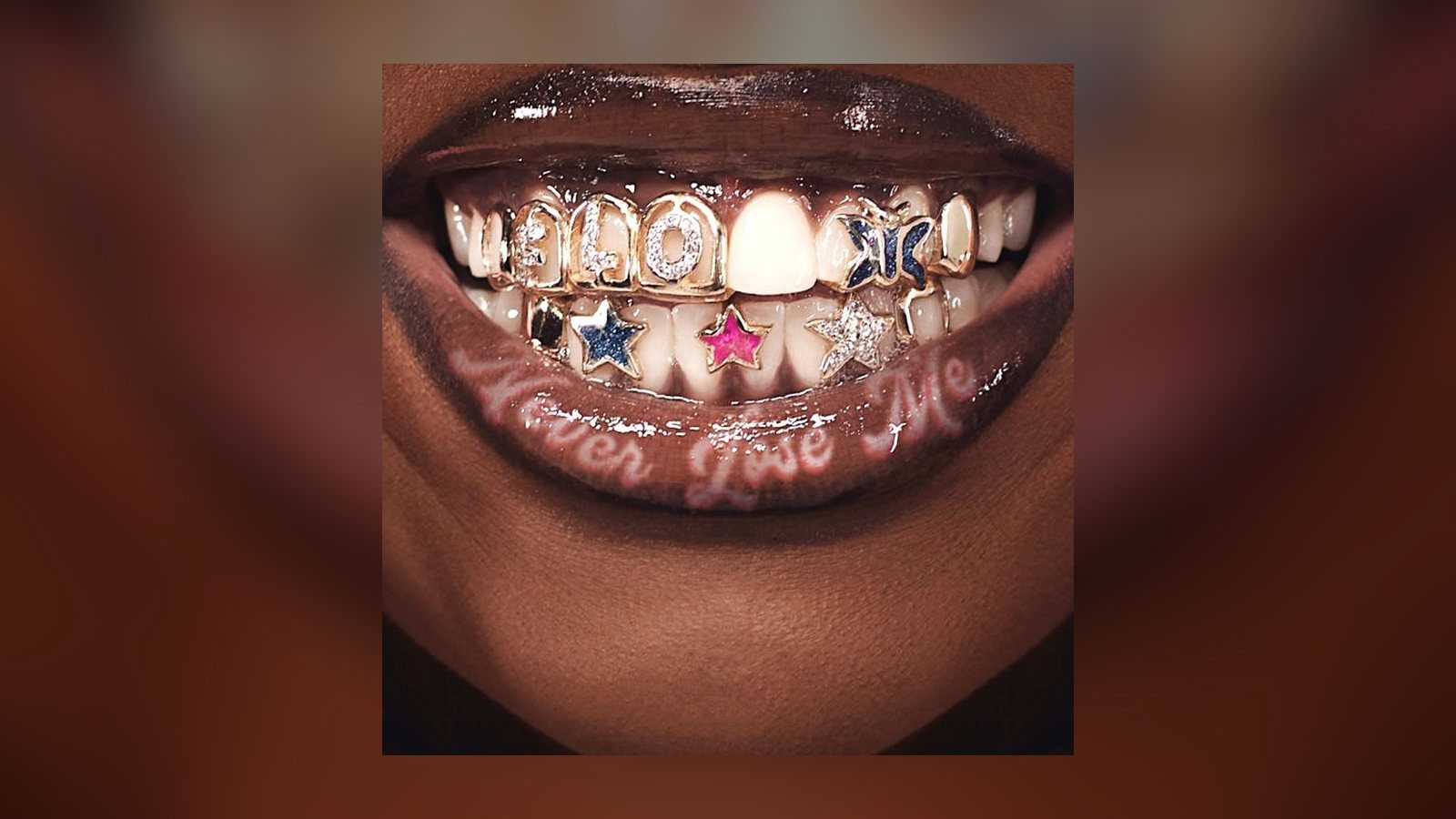
Artwork: Flo Milli
In September 2019, a Baltimore artist named Shamar Deal paid $200 through Stripe for a beat called "Youu" on Traktrain, an online marketplace where producers sell instrumentals. The listing was an exclusive: ten years, one buyer, nobody else allowed to use it. On 6 November 2026, a federal judge in California ruled that, for the purposes of a lawsuit, he never owned that exclusive at all.
The story behind it is a useful one for anyone who has ever bought, leased or sold a beat online, which in hip-hop today is a very large number of people.
What happened
Deal sued in June 2025 over the sound recording and in December 2025 over the composition. His claim: the producer, Gerreaux (Gerald Henry), later licensed the same beat to Babyface Ray and 42 Dugg, who used it on "Ron Artest" in 2023. Flo Milli then sampled "Ron Artest" on "Never Lose Me," released through Sony's RCA Records. By the figures in the case, "Ron Artest" has more than 96 million Spotify streams and the six versions of "Never Lose Me" roughly 650 million between them. Deal asked for at least $1 million and an order stopping distribution of the tracks.
Judge André Birotte Jr. of the Central District of California never got as far as asking whether the songs share a beat. The case ended on a prior question: did Deal hold rights he could enforce?
The signature problem
US copyright law says a transfer of ownership is not valid unless it is in writing and signed by the owner or their authorised agent (17 U.S.C. 204(a)). Courts treat an exclusive licence as such a transfer, which is why it matters who signed.
The licence Traktrain generated named Gerreaux as the licensor and Deal as the licensee. It was signed by Nick George, described as Traktrain's owner and operator. Deal did not claim George had authority to sign for the producer, and he accepted that Gerreaux never physically signed anything. The judge accepted that an electronic signature can count, but held that the complaint did not show Gerreaux signed or adopted this agreement. Emails in which the producer reportedly said he would price the beat at $200 and later marked it sold showed, at most, that he knew about the sale. In the judge's words, activity on the platform was "consistent with using the TrakTrain platform."
The earlier version of the complaint had been dismissed in June 2026 for the same defect, with permission to fix it. This time the claims were dismissed with prejudice. Deal's lawyer, Larry Zerner, has said they disagree and plan to appeal to the Ninth Circuit.
Why this reaches beyond one case
Traktrain's own terms are candid about how the system works. A buyer's checkout counts as their electronic signature. A producer, by contrast, is treated as having given instructions by publishing a listing and its licence types, and the terms say that publishing or editing those is "not represented as a separate electronic signature on each License Agreement." Traktrain says it is not a party to the contract and does not sign for either side, while also saying it generates and retains the licence.
That is a normal design for a platform handling thousands of $20 to $200 sales: no producer wants to sign each one by hand. The ruling shows the cost. If the producer's signature is not on the document, a buyer who paid for an exclusive may hold a receipt but not a right they can take to court.
Nothing in the ruling says the producer did nothing wrong, and it does not decide that the two songs share material. It decides only that this plaintiff could not sue. Other marketplaces write their terms differently, and the outcome could change on appeal.
What buyers and sellers can take from it
These are our reading of the ruling, not legal advice.
- Check who signs. If you are paying for an exclusive, look at whether the producer, or someone clearly acting for them, signs the agreement. A platform owner signing alone was not enough here.
- Keep the paper trail. Save the licence PDF, the producer's messages and the payment receipt on day one. Years later, they are the case.
- Ask for a signed copy on anything that matters. For a $200 beat that may feel excessive. For a beat that becomes a song people stream 650 million times, it does not.
- Sellers: pull the beat the moment an exclusive sells. Marketplaces generally treat an exclusive sale as the end of the beat's availability, and the producer is the one who has to keep their own catalogue honest.
For the working producer, the lesson is the mirror image. Every $200 sale of an exclusive is a promise the producer is making in their own name, whether or not they ever sign a page.
Defendants have ten days to file a proposed judgment, and Deal then has five days to object. If the appeal goes ahead, the Ninth Circuit will be asked a question a lot of independent artists would like answered: when you buy an exclusive online, what exactly did you buy?
Share this story