FeatureRonit Singh5 min read
Dhaka keeps selling tickets for foreign-artist shows that never happen. Here is why
Atif Aslam, Ali Azmat, Jal, Kaavish: a year of cancelled shows in Bangladesh's capital shows how one signature decides a night.
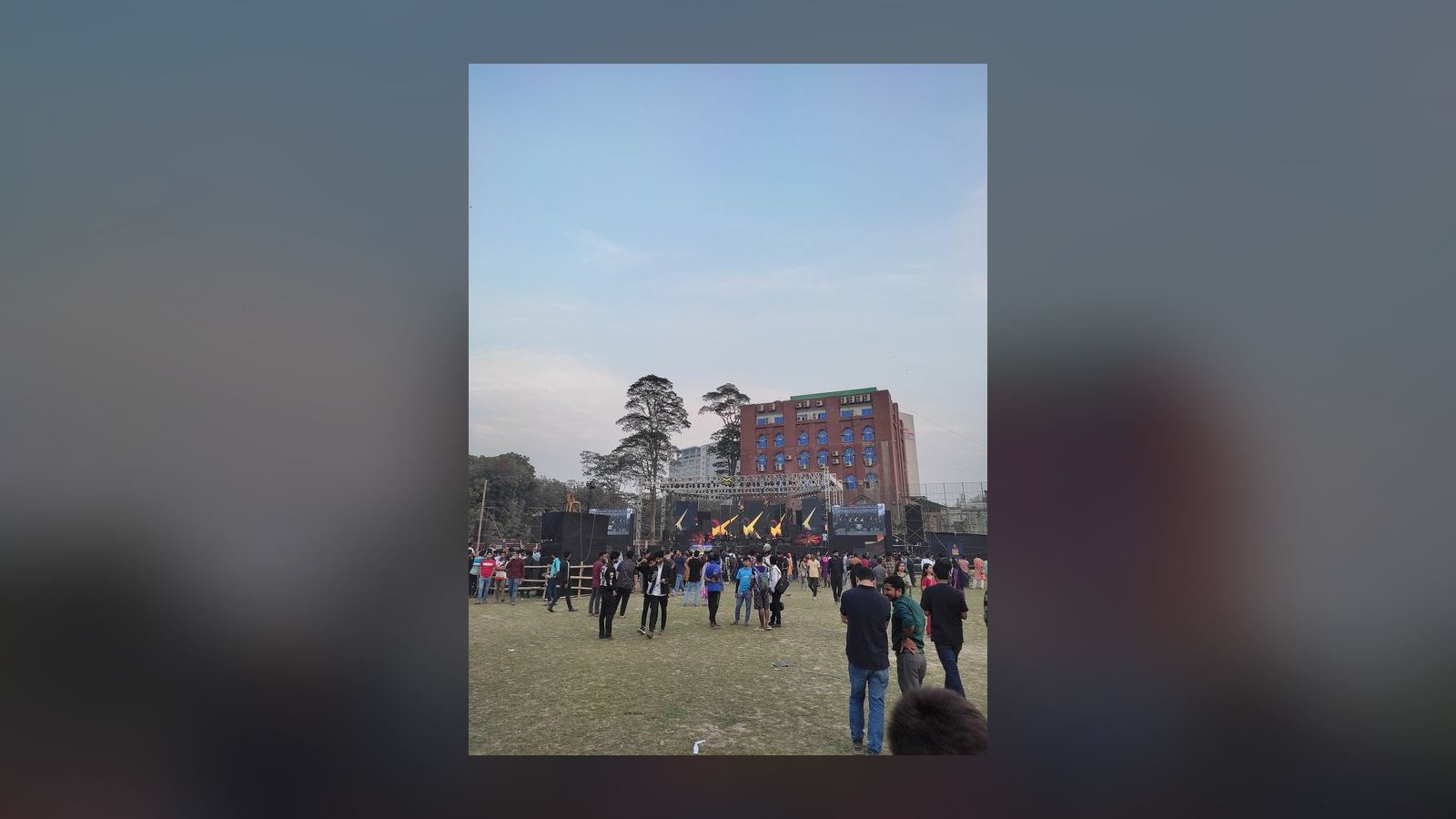
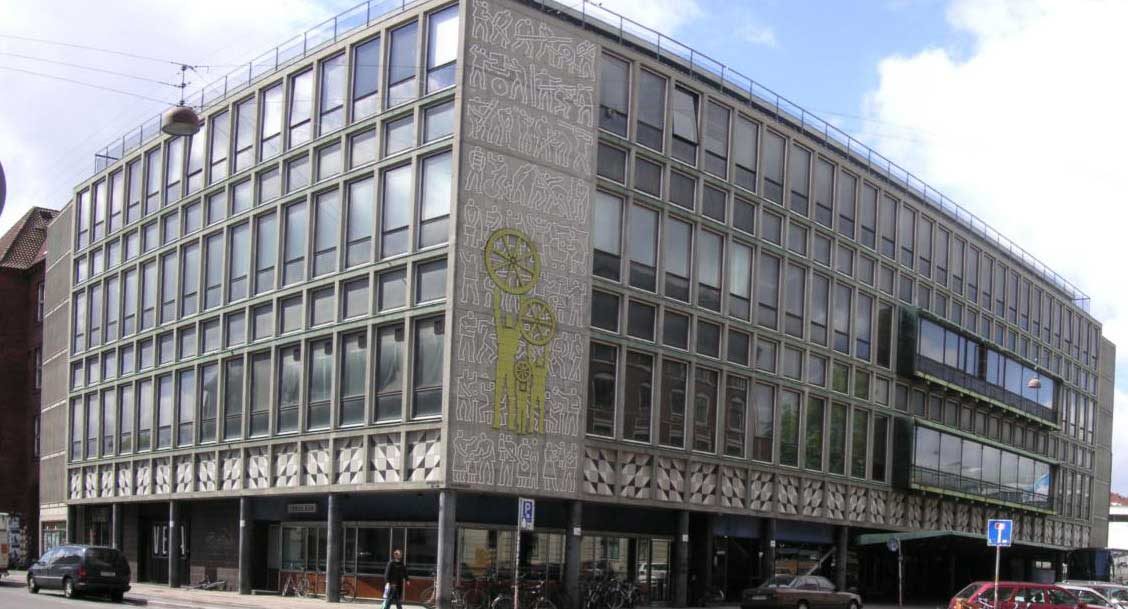
Photo: Tanvir Rahat / CC BY-SA 4.0 via Wikimedia Commons
Ali Azmat has now flown to Dhaka for a show and flown home without singing a note. It happened in November 2025, when his concert was called off after he had already landed. The Pakistani rock singer had a second Dhaka date cancelled in May 2025 and a solo debut set for 25 September 2026 that was postponed "until further notice" the day before.
He is not alone. In Bangladesh's capital, one of South Asia's most devoted live audiences keeps buying tickets for foreign-artist shows that fall over at the last stage. The reason is less about demand than about a permission chain nobody outside the business can see.
A year of near misses
The run of cancellations is easy to list, and hard to read without wincing.
Mustafa Zahid, the Pakistani singer, travelled to Dhaka in April 2025 and returned without performing. The band Jal had a concert at the 300 Feet Swadesh Arena on 8 November 2025 called off a day before the date, with security concerns given as the reason. Late 2025 also saw shows with Ali Azmat, Jal and India's Anuv Jain postponed over security concerns and delayed administrative approval.
Then came Atif Aslam. His Dhaka show was announced in mid-November 2025 for 13 December at the Bangladesh-China Friendship Exhibition Centre in Purbachal, and tickets went on sale almost at once. The organiser, Main Stage Inc, announced the cancellation on 12 December, citing the election schedule and heightened security. Atif himself posted that the organisers had not been able to get the approvals and security clearances.
On 15 December 2025 a lawyer filed a fraud complaint in a Dhaka magistrate's court against five people, including Main Stage's co-founder Kazi Rafsan, over tickets that had not been refunded. He said he alone had bought five tickets worth nearly Tk 29,000, which works out at around Tk 5,800 each. The court asked the Detective Branch of Dhaka Metropolitan Police to report within 15 working days.
The show that did happen, and what it cost
Atif did get to Dhaka in the end. The concert went ahead on Friday 24 July 2026, but not where it had been approved. The permit covered the Cricketers Academy near the Khilkhet-Purbachal Expressway. Main Stage's chief executive told a news conference the day before that rain made it impossible to build the stage there, so it moved to Courtside on Madani Avenue in Bhatara.
Concertgoers complained on social media about the lack of basic facilities and security. On 26 July the Home Ministry wrote to the Ministry of Cultural Affairs saying the move breached the permit conditions, caused widespread disorder and exposed the foreign artists and crew to security risks. It asked for an investigation, legal action and the blacklisting of Event Sajai, the Main Stage associate that held the permission. A cultural affairs official confirmed the letter had arrived and said the section concerned was working on it. Main Stage's side has said Event Sajai was only a strategic partner and that it handled the event itself.
So the same artist was cancelled for lacking approval, then punished, through his organiser, for moving the one approved piece. That is the bind promoters describe: a ministry-approved venue is also a ministry-approved risk.
Who has to say yes
There is no published rulebook that we could find for foreign-artist shows. What exists is a chain, described by one organiser as running through the Ministry of Cultural Affairs, the National Board of Revenue, the Home Ministry, the National Security Intelligence agency, the Special Branch and Dhaka Metropolitan Police. Each can slow a file, and a no can arrive after tickets are sold, artists booked and advances paid.
September 2026 showed how that looks in practice. Three shows planned for the last weekend of the month were pulled within a day of each other:
- 25 September: a bill headlined by Ali Azmat, Mustafa Zahid and Jal, with local acts including Nagarbaul James, at the Bangladesh-China Friendship Exhibition Centre.
- 25 September: Murtaza Qizilbash with Habib Wahid. The organisers said every clearance had been obtained and that the show was rescheduled over security concerns and directions from the authorities.
- 26 September: Kaavish, whose organisers said the authorities had directed that the show not go ahead. Tickets already bought stay valid for the new date.
One organiser has said preparations were complete and advance payments made when permission failed to arrive at the final stage. Another has said they put about Tk 15 million into a single artist before the sign-off stalled. We have not seen either figure independently documented, so treat them as the organisers' own accounts.
Local bands pay too
The pain does not stop with visitors. Shows that mix foreign and Bangladeshi acts take the local names down with them: Shironamhin, Meghdol and Habib Wahid were all on bills that fell through. Nemesis frontman Zohad Reza Chowdhury has said repeated cancellations erode trust among visiting artists and local audiences alike, and has suggested organisers build bills around local performers when foreign bookings are hard to land.
That is sensible, and also a sign of how the market is adjusting. Promoters who once sold on a Pakistani or Indian headliner are starting to sell on the room and the local line-up, because those are the parts they can guarantee.
What to watch
Three things will tell you whether Dhaka's calendar steadies. First, whether the Cultural Affairs Ministry actually blacklists Event Sajai, which would signal how hard a venue change is punished. Second, whether the Detective Branch case over the December refunds ends in a repayment. Third, whether the postponed September shows get dates and keep them.
For fans, the practical rule is blunt. Until a show has its approvals public and its refund terms clear, a ticket is a hope, not a booking. For the artists who keep landing in Dhaka anyway, it is a risk of a different kind: the runway is paid for, the crowd is real, and a signature somewhere decides whether either gets used.
Share this story