FeatureBeliz Aytekin4 min read
Berlin clubs now live off the door, not the bar. That changes who gets in
A new study of 102 Berlin clubs shows tickets are now 59% of income, up from 21% in 2017, as crowds drink less and spend less. Here is what that does to the dancefloor.
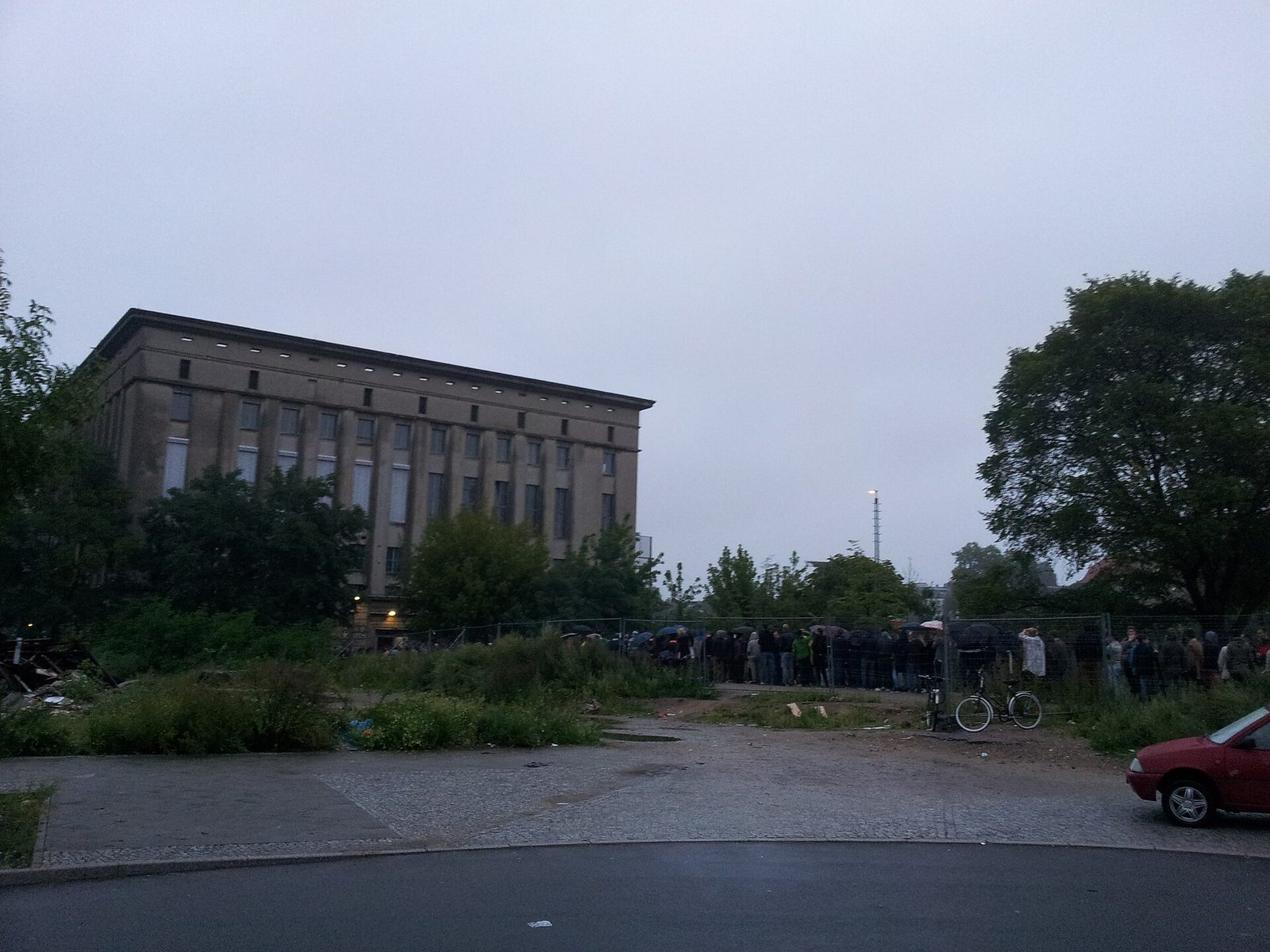
Photo: Nacho Pintos / CC BY 2.0 via Wikimedia Commons
For most of techno's history, a club's real business was not the music. It was the bar. You paid a few euros to get in, then spent the night, and the night's drinks paid the rent. A study of Berlin's club scene, presented on 7 August 2026, says that model has flipped.
In 2017, food and drink made up about 60% of a Berlin club's revenue and tickets about 21%. In the 2026 survey, 59% of revenue comes through the box office, now the biggest income stream. Bar sales are falling.
What the numbers say
The study, called Clubkultur Berlin 2026, was commissioned by the Clubcommission, the city's club association, on behalf of the Berlin Senate's economy department. Fieldwork ran in March and April 2026. Of 163 clubs and event organisers who started the survey, 102 finished it.
The headline figures:
- 39% of surveyed clubs operated at a loss in 2025, up from 21% in 2017. Only 30% were profitable.
- 61% could cover their operating costs in 2025, down from 79% in 2017.
- 73% reported less alcohol being drunk, and 60% reported more non-alcoholic drinks.
- 60% said their audience has less money to spare.
- 63% pointed to rising staff costs, 62% to operating costs and 54% to rent.
- 8% own their building. 31% are on leases shorter than five years.
- 95% believe many clubs will not survive long term without structural help, and 23% of owners have thought about quitting within a year.
The city is not emptying out. Since 2020, at least 24 clubs and cultural venues have closed and around 25 have opened. The study's own summary says Berlin's club culture is not dying but under pressure to transform.
Why the door matters
When the bar carried the business, a club could afford a cheap entry price and a long night. Guests who stayed until sunrise were worth more than guests who left at 2am. The study says guests now plan nights more deliberately, leave earlier and drink less. A club that earns from the door has to price the door, and that is where the pressure shows.
Of the clubs surveyed, 85% said economic pressure has changed how they programme. 67% raised drink prices and 47% adjusted ticket prices. 62% widened their line-ups and 55% have teamed up with other clubs or venues. For a reader outside Berlin, that last one is the quiet shift: a venue sharing a night, a crowd and a risk with its neighbour.
The pattern is easy to picture from the clubgoer's side. A bigger share of the cost arrives before you step inside, so the first-timer on a student budget decides at the ticket page, not at the bar. That is a different kind of gatekeeping from the famous Berghain queue.
Not just a Berlin problem
On 8 October 2026, Tresor.West in Dortmund, the sister club of Berlin's Tresor, said it will close at the end of this year. It opened in December 2019. Founder Dimitri Hegemann cited falling visitor numbers, rising costs and changing nightlife habits, and argued that a techno-only programme no longer works financially in Dortmund. Its remaining Saturdays are branded "The Last Days", with 7, 14 and 21 November confirmed.
What clubs are asking for
The study lists what the scene wants. 86% want state-owned properties opened to club culture. Others want long-term funding instead of one-off project grants, legal recognition of clubs as cultural venues, and fair-pay standards for staff. One proposal is a ticket levy like the UK's, and another is a subsidy of €1 per visitor.
That levy idea is worth watching. If the door is now the business, a small charge on it is the most direct way to pay for the rest of the night. Whether Berlin's government takes it up is the open question, and the next survey will show whether the flip becomes a floor or a slide.
For anyone who loves the city's clubs, the practical point is simple: the cheapest thing you can do for a room is arrive early, pay at the door and stay.
Share this story