FeatureJane Shostak5 min read
83% of Nigerian artists say streaming made their careers better. Almost half earned nothing last year
A five-country survey of working musicians found the world's most upbeat artists in Nigeria, and its poorest. The gap says a lot about what "better" means.
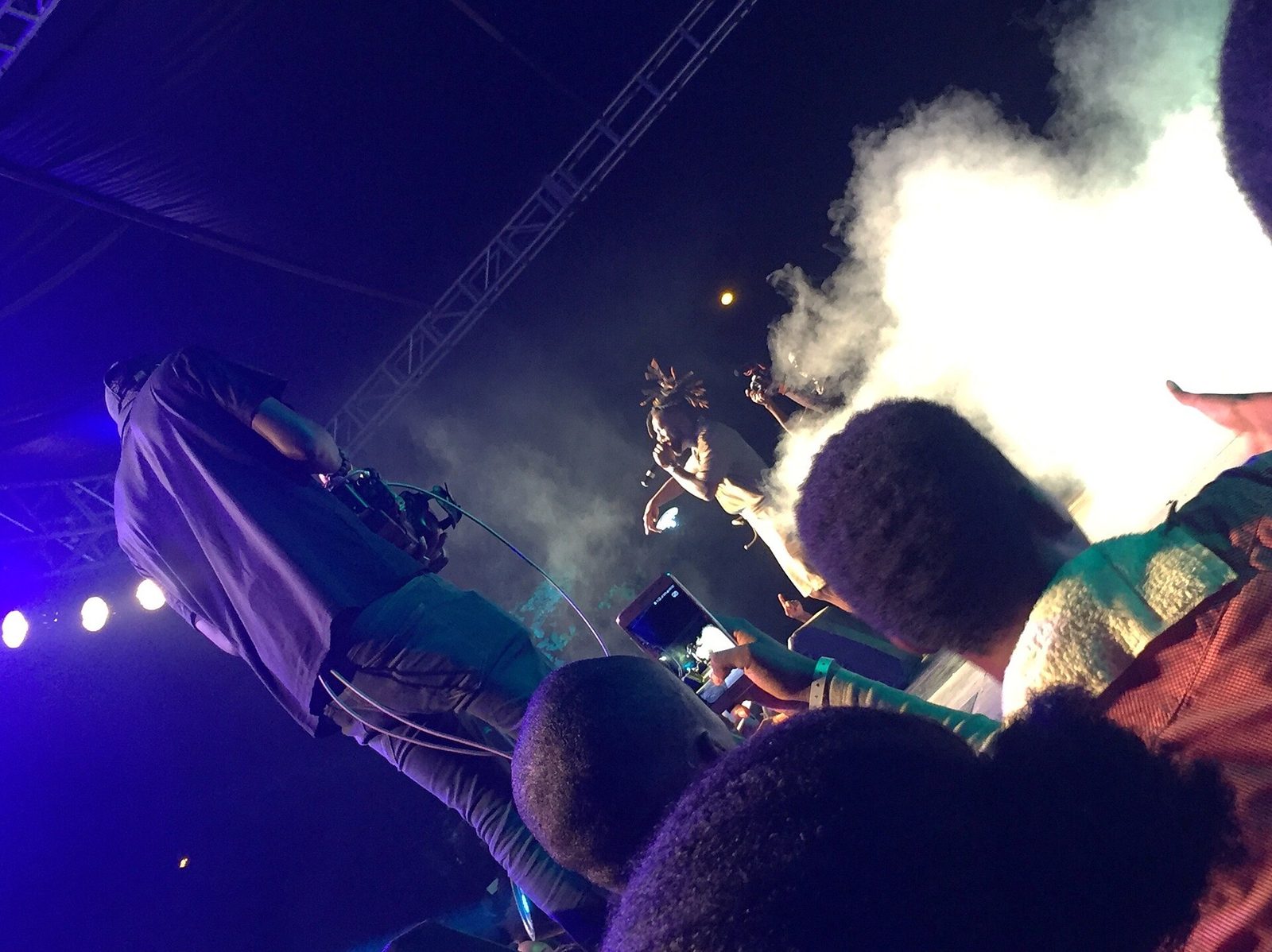
Photo: Catherine Omeresan Sutherland / CC BY-SA 4.0 via Wikimedia Commons
Ask a working musician in the Netherlands whether streaming has made a career in music better, and the answer, in one survey of artists, is mostly no: only 14% said yes and half said it had made things worse. Ask the same question in Nigeria and 83% say it has got better.
Here is the part that makes the number strange. The Nigerian artists in that survey are the poorest of the lot. Nearly half of them earned nothing from music last year.
The figures come from a study published on 9 April 2026 by researchers at the Oxford Internet Institute and the University of Groningen, called Musicians at Work in the Platform and AI Era. It surveyed 1,198 working musicians in five countries (Brazil, Chile, the Netherlands, Nigeria and South Korea) in March 2025, 213 of them in Nigeria, and followed up with 27 interviews in November 2025. We read the full report, including the Nigeria chapter that most coverage skipped. These are the numbers that stood out.
The money is thin
In Nigeria, 47% of respondents said they had no income from music in the last year. Another 35% earned less than €1,000. Only 8% made between €1,000 and €10,000, and 3% made between €10,001 and €30,000. Nobody in the Nigerian sample reported more than €30,000. The median income was below €1,000 a year, the lowest of the five countries.
Afrobeats, the genre 64% of the Nigerian respondents work in (R&B was 33%, hip-hop 23%), had the lowest average income of any genre with a big enough sample to compare. Yet Afrobeats artists were also among the most satisfied with their income. The authors flag that as a paradox, and so should anyone who thinks of Afrobeats only through its stadium names.
So why do they say it got better?
Look at when these artists started. In Nigeria, 77% began their careers after 2015, in the streaming era. Only 22% remember the world before it. Across all five countries the average was 40% pre-streaming, so Nigerian respondents have far less of an old, better-paid industry to compare against.
That is our reading, not the authors' claim, but it fits what the numbers show. For an artist with no label, no radio plan and no money for a studio, a free upload to Audiomack, YouTube or TikTok is not a replacement for a lost income. It is the first door that ever opened. Asked about income specifically, 47% of Nigerian respondents said it had risen significantly or a little since streaming took off. In the Netherlands, where a working musician is more likely to remember a record-sales economy, 36% said income had fallen.
Streaming also matters to nearly everyone there: 95% of Nigerian artists call it extremely or somewhat important to their careers.
Audiomack, a phone and 150,000 naira
Nigeria is the only country in the study where Audiomack, the US-based platform, ranks among the most popular distribution channels. It slightly passes YouTube there, which is the top choice everywhere else except South Korea. About 54% of Nigerian DIY artists use a distributor, 28% upload directly to platforms.
The work around the upload is heavy. 61% of Nigerian respondents said they spend much more time promoting themselves online than a couple of years ago, and another 17% a little more, a combined 78%. That is the sharpest rise in any of the five countries. 41% check their performance numbers at least once a day, the highest in the survey. 68% put more than 60% of their working time into music, even though most earn almost nothing from it.
The interviews put faces on this. One 27-year-old Afrofusion producer, identified in the report as Maneel, described finance as the hardest part of the job: the pressure to support family as the first-born, and promotion costs. He gave a figure of over 150,000 naira, about €90 at the report's exchange rate, just to push a song online or get it trending on TikTok. A 20-year-old gospel and Afrobeats artist, P.mass, said he produces on BandLab on his phone because he does not have a laptop. A 34-year-old artist, Pmoses Abah, said AI tools are out of reach without a laptop or a phone good enough to run them.
What the reader should take from it
Three things.
First, a headline satisfaction number from one country tells you about expectations as much as income. The 83% is a verdict from people for whom streaming is the only route, not proof that it pays.
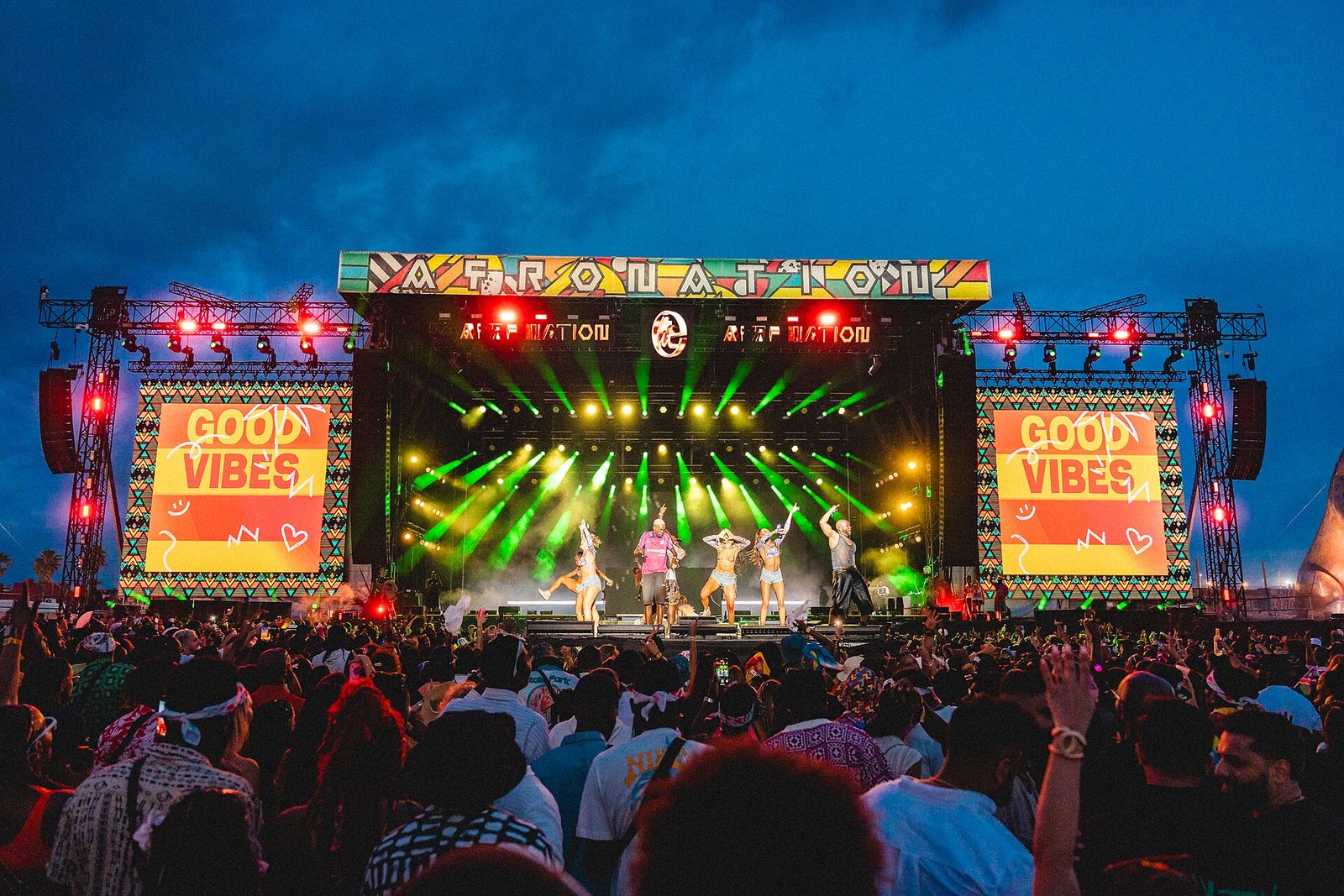
Second, the money that fans see at the top, from names like Omah Lay, Rema and Davido, who headline festivals such as Afro Nation Portugal in June 2027, is not a map of what the average Nigerian artist earns. In this sample, nobody earned above €30,000.
Third, the cost has moved onto the artist. Paid promotion, daily metric checking and constant posting are now part of the job, and they are paid for by people with the least spare cash. 72% of Nigerian respondents also earn more than two-thirds of their income inside Nigeria, so the global streaming boom is not showing up in their accounts yet.
The survey is a snapshot of working artists answering in March 2025, not a census, and the authors note that sample sizes differ by country. Still, it is rare to see this many Nigerian artists asked what their year actually paid. The honest summary is hopeful and hard at once: they believe in the platform, and the platform has not paid them back.
Share this story