NewsEva Waxenberg3 min read
Spotify says it has kept more than 50 million AI slop and spam tracks out of recommendations this year
A year after its AI policy reset, Spotify puts numbers on the clean-up: 50 million tracks out of recommendations, 75 million off the platform, and a royalty bar AI spam struggles to clear.
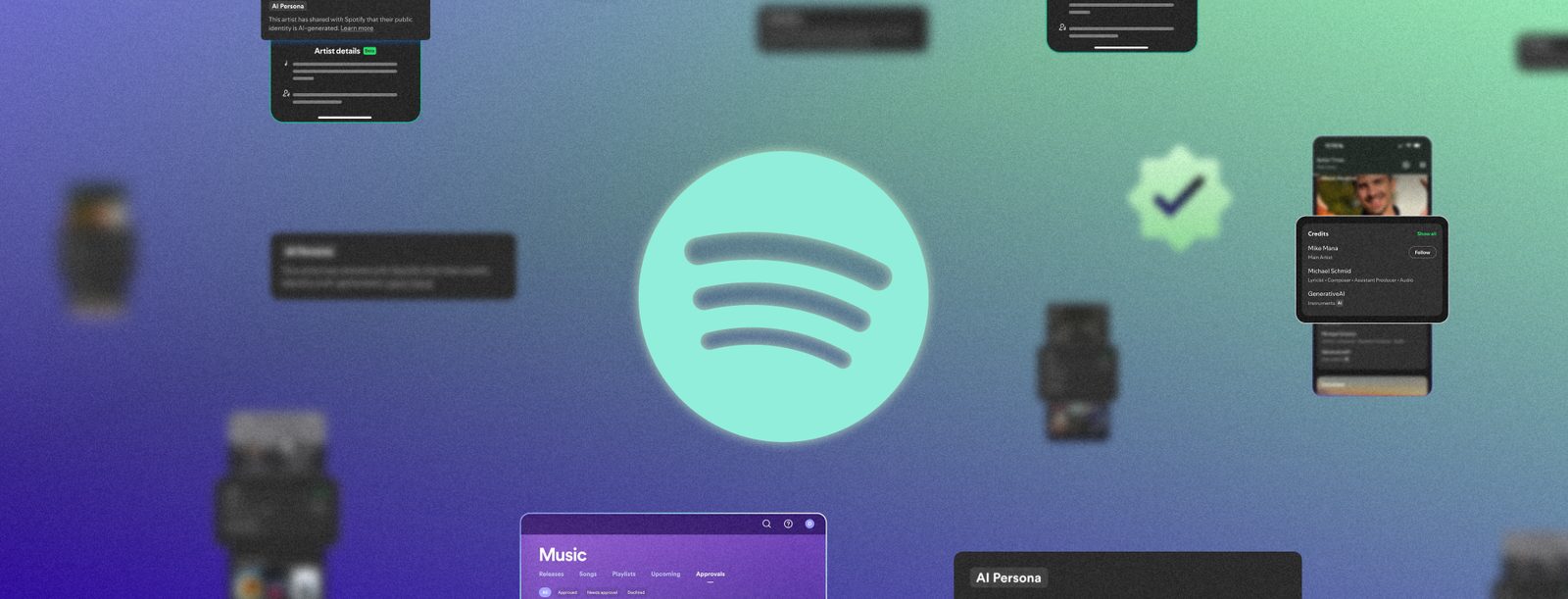
Artwork: Spotify
Spotify has said it has pulled more than 50 million tracks it classes as AI "slop and spam" out of its recommendations so far in 2026. The figure comes from the company's own update on 20 October 2026, published a year after it set out its first tougher rules on AI music in September 2025.
Spotify's wording is that "AI-generated slop and spam don't belong in your recommendations", and that "human artistry comes first". For a reader outside the industry, the point is simple: tracks flagged as spam can still sit on the service, but they are kept out of the algorithmic places where most listeners actually discover music.
What the numbers say
- 50 million+ slop and spam tracks removed from recommendations this year.
- 75 million+ spammy tracks removed from the platform entirely for serious or repeated violations. Spotify has not updated that second figure since the September 2025 announcement.
- 300,000+ artists now carry the Verified by Spotify mark. Spotify says they account for more than 99 per cent of what listeners search for, and more than 70 per cent of them are independent.
- Thousands of artist profiles are labelled as AI Personas, the badge for acts whose identity is AI-generated.
- Tens of thousands of AI Credits are submitted every day, the tool that lets artists disclose where AI was used on a track, in a specific role or instrument.
The royalty bar
A track needs 1,000 streams in 12 months, from a minimum number of unique listeners, before it earns recording royalties. That rule has been in place since 2024. Spotify now says tracks with a high probability of being AI-generated are ten times more likely to fall below it, which is the company's argument that spam is mostly starved of money rather than rewarded.
Detection is not perfect, and Spotify says so. It combines listener engagement and feedback, upload patterns, metadata and outside AI-detection tools, and acknowledges the limits of that last one.
Protection for artists
Artist Profile Protection, a tool for safeguarding artists' profiles, launched in beta in March 2026. Thousands of artists have opted in, and Spotify says it will be open to all artists by the end of 2026.
Spotify also says it is building licensed AI music products with Sony, Universal, Warner, Merlin and Believe, and in May it struck a deal with Universal for a paid Premium add-on that lets fans make AI covers and remixes. It describes the aim as keeping the service a place where listeners find human artistry.
Why it matters
The numbers show how large the volume problem has become, and also how much of the fix is about recommendation rather than deletion. Whether listeners notice any change will depend on what the algorithm serves them, and Spotify has not published how it measures that. We will follow any new figures from the platform.
Share this story