
NewsBeliz Aytekin3 min read
Daphne Oram's centenary year comes to Bradford on 21 November, with a day of talks and performance
The British electronic pioneer who co-founded the BBC Radiophonic Workshop is honoured with a one-day symposium at the National Science and Media Museum.
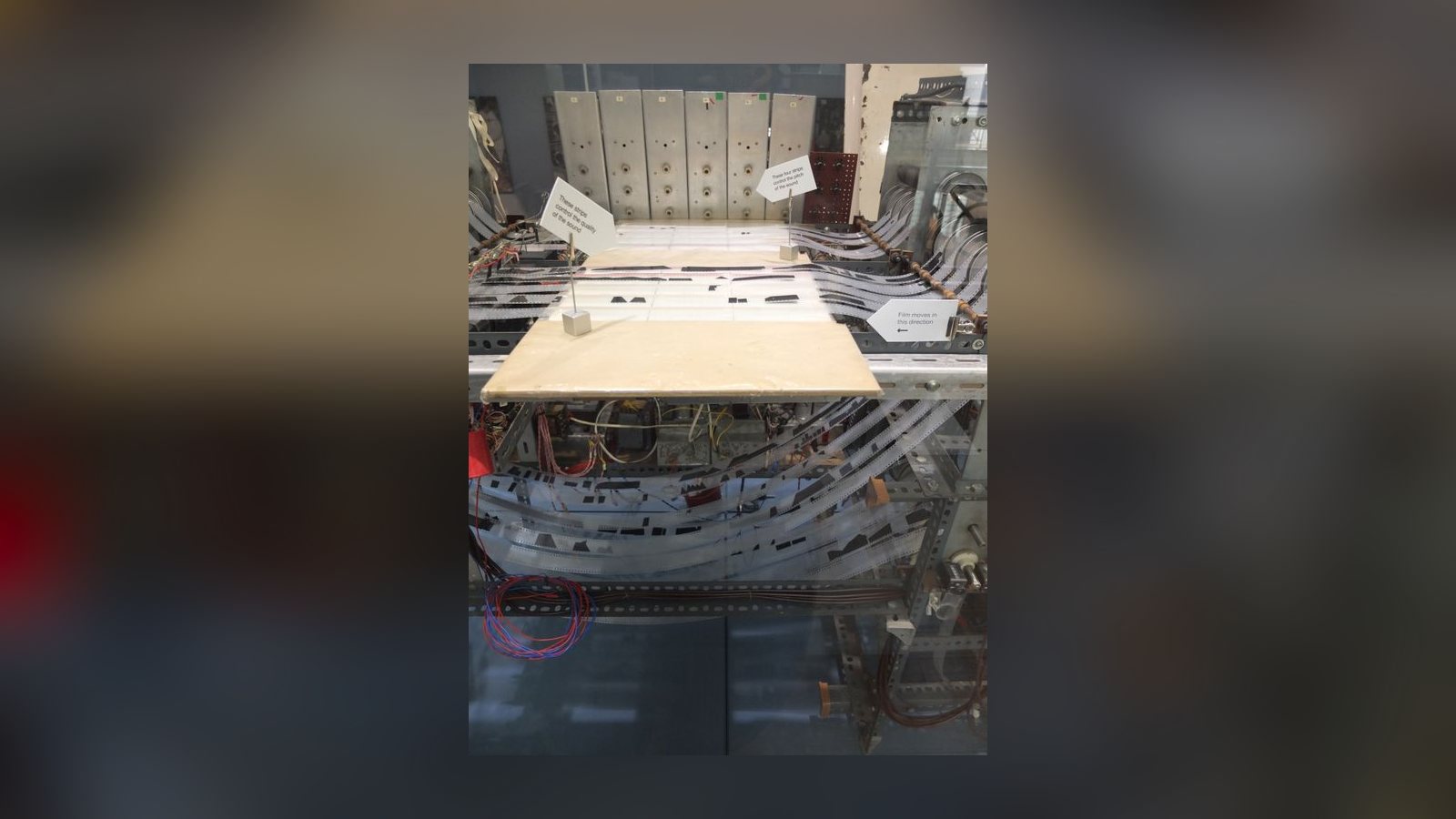
Photo: tpholland / CC BY 2.0 via Wikimedia Commons
If you have ever heard a British sci-fi theme that sounds like a spaceship being played as an instrument, you are hearing a sound world that Daphne Oram helped invent. In her centenary year, the Daphne Oram Trust has set a date for one of the biggest days of the celebrations: a one-day symposium on 21 November 2026 at the National Science and Media Museum in Bradford, England.
Who Daphne Oram was
Oram was a British composer and engineer who spent her career pushing electronic sound into places it had not been. She was a co-founder of the BBC Radiophonic Workshop in 1958, the studio behind decades of experimental television and radio sound. She later left the BBC to build her own instrument, the Oramics Machine, which turns hand-drawn shapes on strips of 35mm film into sound. It is among the most unusual synthesizers ever made.
She died in 2003. Her archive is held at Goldsmiths, University of London, and the Daphne Oram Trust, which looks after her legacy, has been working through it for years.
What is happening in Bradford
The Trust's own announcement describes the Bradford day as a symposium that brings together researchers, artists and performers. It sits inside a wider centenary programme that the Trust says is supported by a National Lottery Heritage Fund grant. A full programme had not been published at the time of writing, so check the Trust's site and the museum's listing for the schedule and booking details.
The centenary work is not only looking backwards. The Trust says the composer and engineer Sarah Angliss and researcher Andrew McPherson are recovering data from Oram's old Apple and Acorn floppy discs, while archive material is being scanned and an oral history project is under way. Two newer devices are also being prototyped: a line-following robot that reads Oramics scores, and a handheld MIDI-Oramics player that reads scores from a printed template. Young people have joined in too, with workshops in July and a Huddersfield session where teenagers built instruments on a BBC Micro in Oram's spirit.
Why it matters now
Electronic music tends to tell its history through Kraftwerk, Moog and Detroit. Oram's story is the reminder that a British composer was drawing sound onto film decades before the laptop. Her thinking about turning images into music still sits underneath modern sound design.
For readers in Europe, the Bradford date makes a good excuse to visit one of the UK's best museums for sound and image. For everyone else, her work is easy to find: the Trust's site lists the Oramics machines and a Bandcamp collection of her recordings.
More on the people carrying her work forward is on our European music pages.
Share this story