FeatureEmily Orchard4 min read
Ice Cube's Death Certificate turns 35 today, and its two-sided design still holds up
Released on 29 October 1991, the album debuted at number two, went Platinum in under two months and split itself into a Death Side and a Life Side.
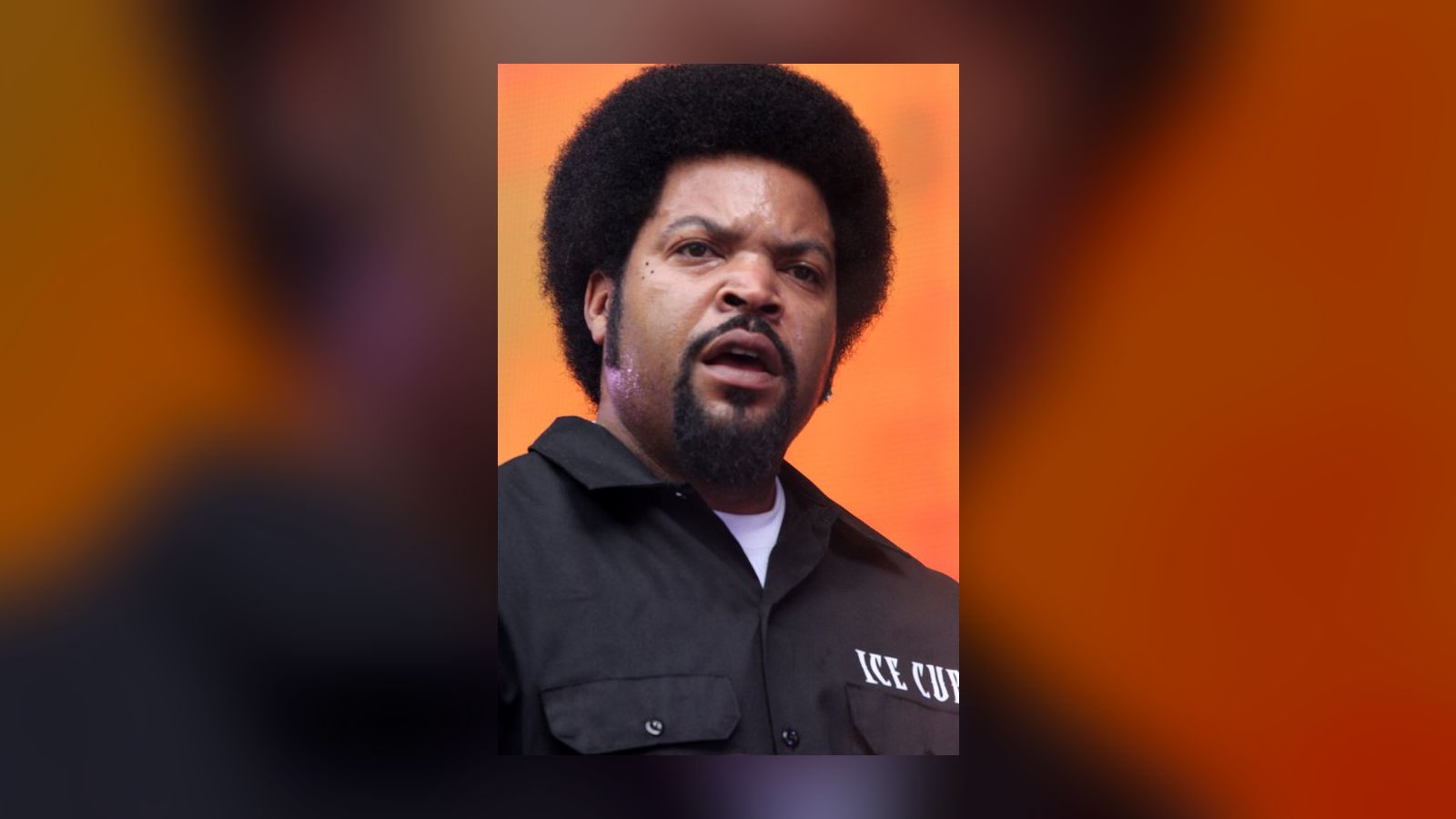
Photo: Eva Rinaldi / CC BY-SA 2.0 via Wikimedia Commons
On 29 October 1991, Ice Cube put out his second solo album through Priority Records. It was called Death Certificate, it ran to 20 tracks and just over an hour, and thirty-five years later it is still one of the most deliberately built records in West Coast rap.
An album with a spine
Most rap albums of the early 1990s were collections of singles and skits. Death Certificate has a thesis, and it announces it at the start: the record is divided into "The Death Side", a mirror image of where Black America was at that moment, and "The Life Side", a vision of where it needed to go.
The first eleven tracks sit on the Death Side and deal with drug dealing, street violence and the cost of both. The last nine, the Life Side, turn toward change and responsibility. It is a simple idea, and it is why the album plays like a single argument rather than a pile of songs.
Cube was the executive producer and produced alongside Sir Jinx and the Boogie Men, the team that kept the sound heavy and sample-driven. If you want a starting point, "Steady Mobbin'", the album's lead single from August 1991, is the way in.
The numbers
The record debuted at number two on the US Billboard 200 with about 105,000 first-week sales, Ice Cube's first top-ten debut, and went to number one on the Top R&B/Hip-Hop Albums chart. The RIAA certified it Platinum on 20 December 1991. A second single, "True to the Game", followed in September 1992. By March 2020 it had sold more than two million copies in the US.
The songs people still argue about
Two tracks defined its reputation. "No Vaseline" closes the record as a savage diss aimed at Cube's former group N.W.A and its management, and it is still regularly named among the great diss records in hip-hop.
"Black Korea" is a harder legacy. It was written as a response to the killing of Latasha Harlins in Los Angeles and was widely criticised for stirring anti-Asian feeling, months before the 1992 Los Angeles riots. Ice Cube has since called it a failed song. In the UK, Island Records removed both tracks from the release with Priority's consent but without the artist's, citing concern about racial incitement law. The songs were restored on a later UK CD reissue.
That history is worth holding onto when you press play. The album is brilliant and uncomfortable in the same breath, and it was never meant to be only one of those.
Why it keeps coming back
The album has been revisited several times: a 25th anniversary edition arrived on 9 June 2017 via Interscope, and an earlier 2003 re-release added the bonus track "How to Survive in South Central". It even returned to the Billboard 200 in September 2015, at number 99, with 14,000 sales.
That longevity says something. Plenty of records from 1991 sound dated now. This one still sounds like a man trying to give his neighbourhood a map, and the Death Side and Life Side structure gave later rap albums a template for how to build an argument across a full record.
For more on the artist, see his ADMC artist page.
Share this story