NewsEva Waxenberg3 min read
US government sues ticket broker REPS over 18.5 million tickets, including 7,624 for one Beyoncé show
The FTC and Justice Department allege a San Diego broker beat purchase limits to buy tickets to 83,500 events and made at least $120.8 million. REPS has not been found liable.
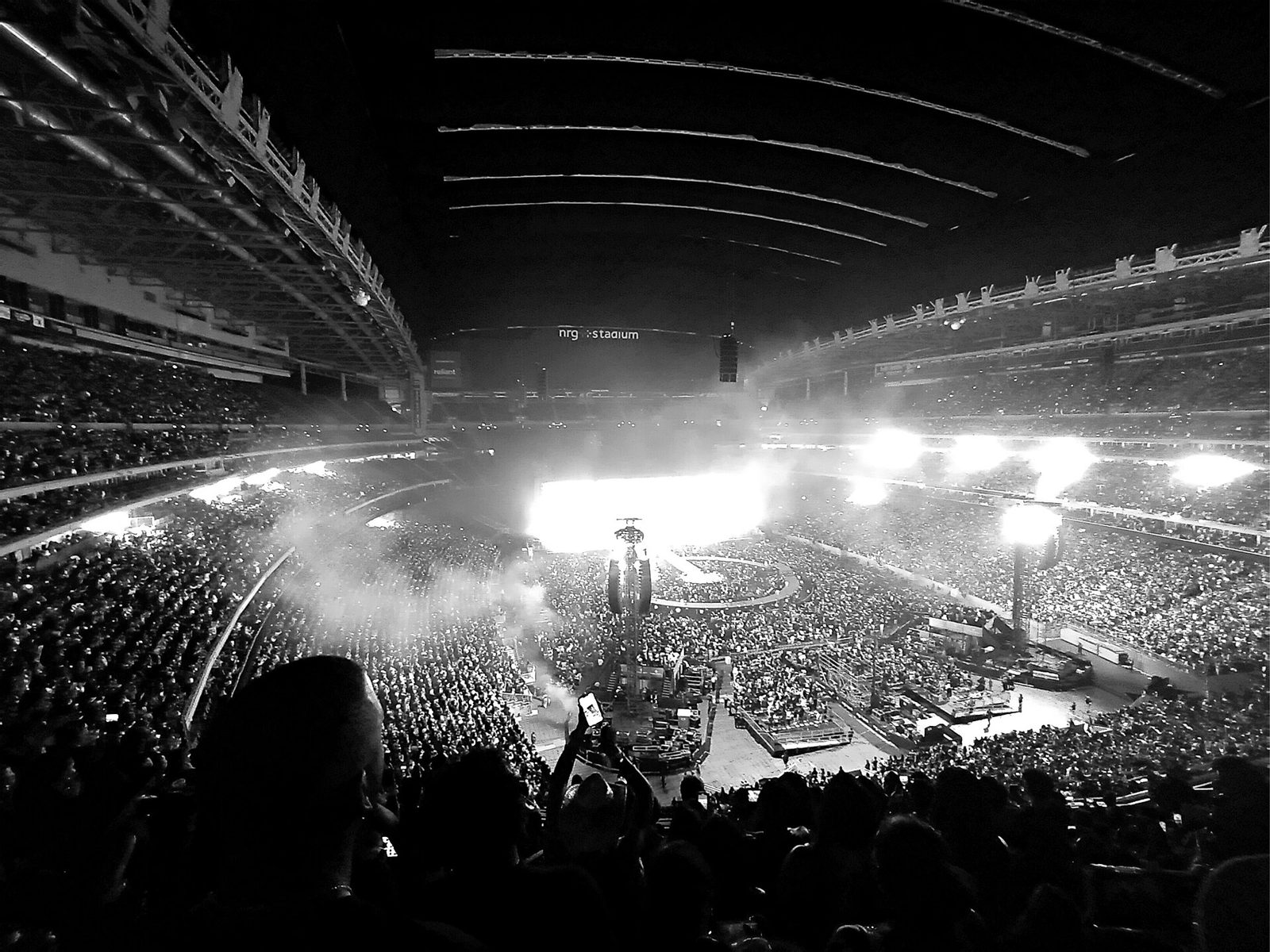
Photo: 2C2KPhotography / CC BY 2.0 via Wikimedia Commons
The US government has sued one of the biggest ticket resellers in the country, alleging it spent years getting around the purchase limits that promoters set for fans. The case was filed on 15 October 2026 by the Department of Justice on behalf of the Federal Trade Commission, in the US District Court for the Southern District of California.
The defendants are San Diego broker REPS & Company and three executives: chief executive Ryan Pancheri, president Brian Archibald and chief operating officer Nicholas Totagrande. These are allegations. A court has not ruled on any of them.
The numbers in the complaint
According to the government, since 2022 REPS bought more than the posted limit of tickets, in some cases more than eight, for at least 83,500 events. It allegedly spent more than $1.3 billion to collect over 18.5 million tickets and made at least $120.8 million in resale profit.
The example the FTC chose is a Beyoncé one. For a Beyoncé Renaissance tour date at Arrowhead Stadium in Kansas City, Missouri, on 1 October 2023, the complaint says REPS used about 1,300 accounts to buy 7,624 tickets, and made roughly $833,000 reselling them. For context, buyers at shows like that are normally capped at a handful of tickets each.
How it allegedly worked
The complaint says the company created thousands of buying accounts using names, addresses or phone numbers that belonged to other people, including employees and outside partners who signed agreements letting REPS use their details. It also alleges the use of virtual credit cards, proxy IP services and multi-session browsers to hide who was really buying and from where, and small tweaks to names or addresses once accounts were blocked. The government says much of the buying team was based in the Philippines, and that internal documents show staff discussing how to keep accounts alive.
The law at the centre is the BOTS Act, a US statute that makes it illegal to get around the security measures ticket sellers use to enforce purchase limits. The FTC's consumer protection director, Christopher Mufarrige, said REPS' "entire business model is focused on trying to game the ticket-purchasing system."
Why it matters to music fans
Purchase limits are the main thing standing between a fan and a stadium on-sale that sells out in minutes. Ticketmaster and AXS both run systems to catch accounts that stack up past the limit, and the complaint says REPS worked to bypass them. Neither company is a defendant in the suit.
The case lands in a year when ticketing has been under constant pressure, from resale rules to bot-swamped sign-ups. We covered another side of the problem on 13 October, when RAYE's team said bots swamped the sign-up for her Royal Albert Hall show. The bigger the tour, as Beyoncé's Renaissance run showed, the harder the resale market pushes to get ahead of fans.
The FTC's own announcement is on ftc.gov. The government is seeking civil penalties, and the court will decide the case. We will update this story when REPS responds in court or a settlement is announced.
Share this story