ProfileSam Grizelj4 min read
Artist Spotlight: Talk Talk went from synth-pop hits to the quietest record your Radiohead playlist grew out of, and Spirit of Eden is the door
Talk Talk had radio hits in 1986, then made two records so hushed and strange that they changed what a rock band could be. Start here if Radiohead and Slowdive live on your phone.
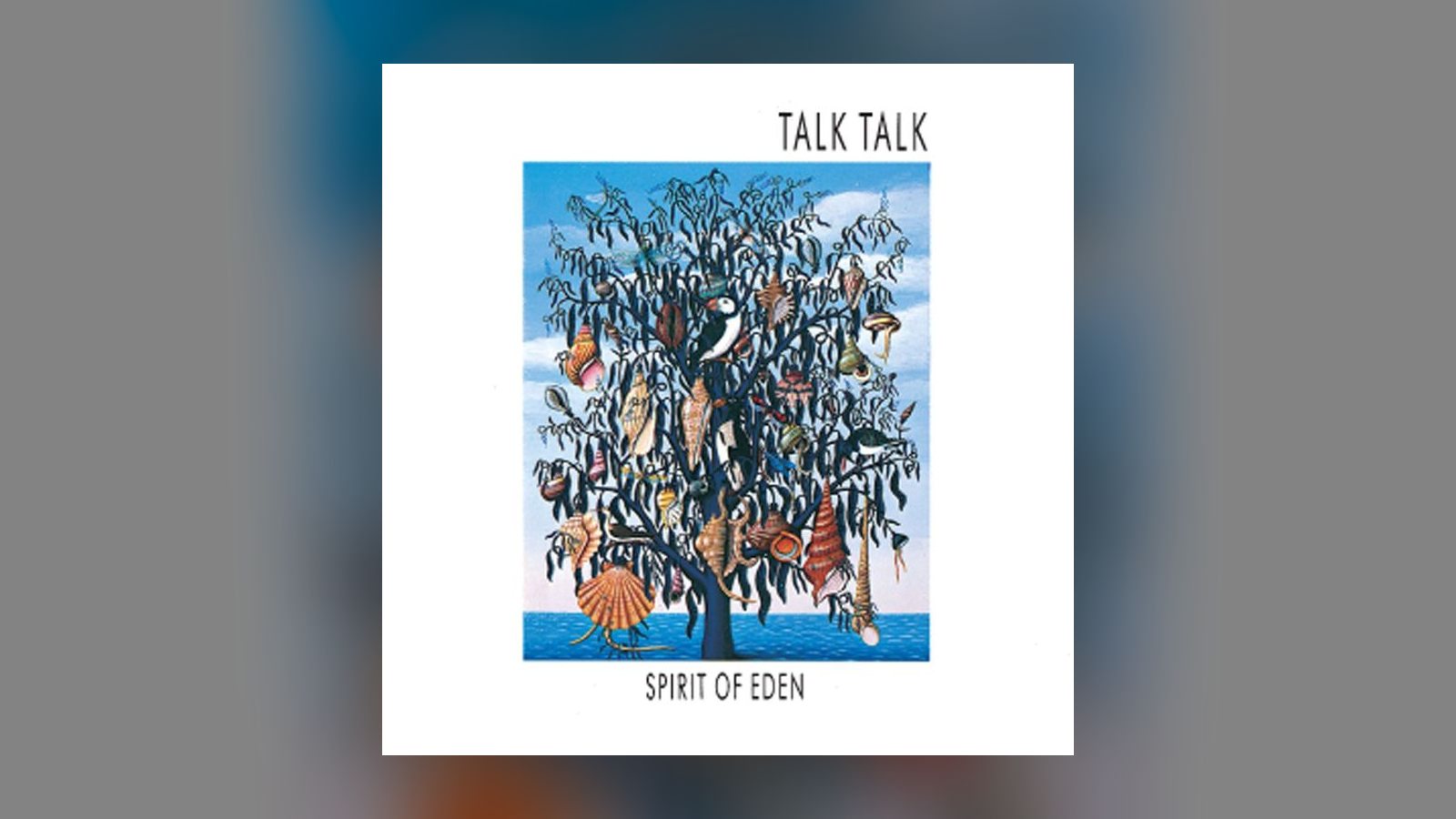
Artwork: Parlophone Records Ltd, a Warner Music Group Company
In 1986 Talk Talk were on British television, playing a bright, nervy synth-pop song called "Life's What You Make It". Two years later they released an album with six songs, no singles to speak of and almost no sound in the first minute. The label did not know what to do with it. Decades on, it is one of the records your favourite guitar bands keep pointing at.
Talk Talk formed in London in 1981 around singer and songwriter Mark Hollis, with bassist Paul Webb, drummer Lee Harris and, from the second album on, producer Tim Friese-Greene as the fourth member in all but name. The early records, The Party's Over (1982) and It's My Life (1984), sit in the synth-pop world of their time. The Colour of Spring (1986) is where the band began to loosen: real piano, organ, harmonica, space between the notes.
If Radiohead's Kid A is the record you play when you want the lights down, this is the band that showed how far a group could slow down and still keep your attention. Thom Yorke has spoken about Talk Talk as a touchstone for Radiohead, and the shared DNA is easy to hear once you know to listen for it. The same goes for Slowdive fans who love the way a song can hang in the air instead of driving forward.
Start here
"Life's What You Make It" (1986). The easiest door in. The piano riff is sharp, the chorus is big, and Hollis's voice already sounds like it is carrying more than the lyrics let on.
"I Believe in You" (1988). A slow, heavy song from Spirit of Eden, built around a patient organ and a voice that stays close to the microphone. Do not skip the last minute.
"Eden" (1988). The album's opening movement of sorts, where guitars, woodwind and strings drift in and out. Put headphones on for this one.
"Ascension Day" (1991). From Laughing Stock, the band's last album. It starts in a held breath and then tears open into one of the loudest moments they ever recorded. The only way to get it is to wait for it.
"Taphead" (1991). Barely there. Sparse, slow and hushed, with Hollis singing as if he were afraid of waking someone.
Why it matters now
Spirit of Eden came out on 12 September 1988 and was not a hit. Laughing Stock followed on 16 September 1991, the fifth and final Talk Talk album. After that the band ended, and Hollis made one self-titled solo record in 1998 before stepping away from music altogether. He died on 25 February 2019, at 64.
What he left is a record shelf with an unusual rule: you cannot hear these albums well in pieces. They were built to be played start to finish, and they reward the kind of attention that most of us only give a new Frank Ocean album. A half-speed vinyl pressing of Spirit of Eden was issued in early 2026, which tells you the catalogue is still finding new listeners.
For readers in India, the closest local echo is the unhurried, textured end of the indie scene, the kind of songwriting we have praised in Peter Cat Recording Co.. Different language, different city, same instinct to let the room breathe.
If you like Talk Talk, try
- Radiohead: start with Kid A and Amnesiac, then come back to Laughing Stock. See our If you like Radiohead picks.
- Slowdive: the band that proved quiet can be enormous. Their third album, Pygmalion (1995), is the closest they come to Hollis's stillness.
- Peter Cat Recording Co.: the Delhi band's slow-burn writing is the nearest thing in our home scene. Read our spotlight.
Up next
Artist Spotlight: My Bloody Valentine made the loudest quiet record ever, and Loveless is the door
Slowdive, Beach House and Deftones fans all end up here. Loveless took 19 studios and 31 months, and it still sounds like nothing else.
Share this story