NewsEmily Orchard3 min read
Sony Music has now asked platforms to remove more than 260,000 AI deepfake tracks
The figure has almost doubled since March, with Sony saying it files over 20,000 requests a month and calling the fight an uphill struggle.

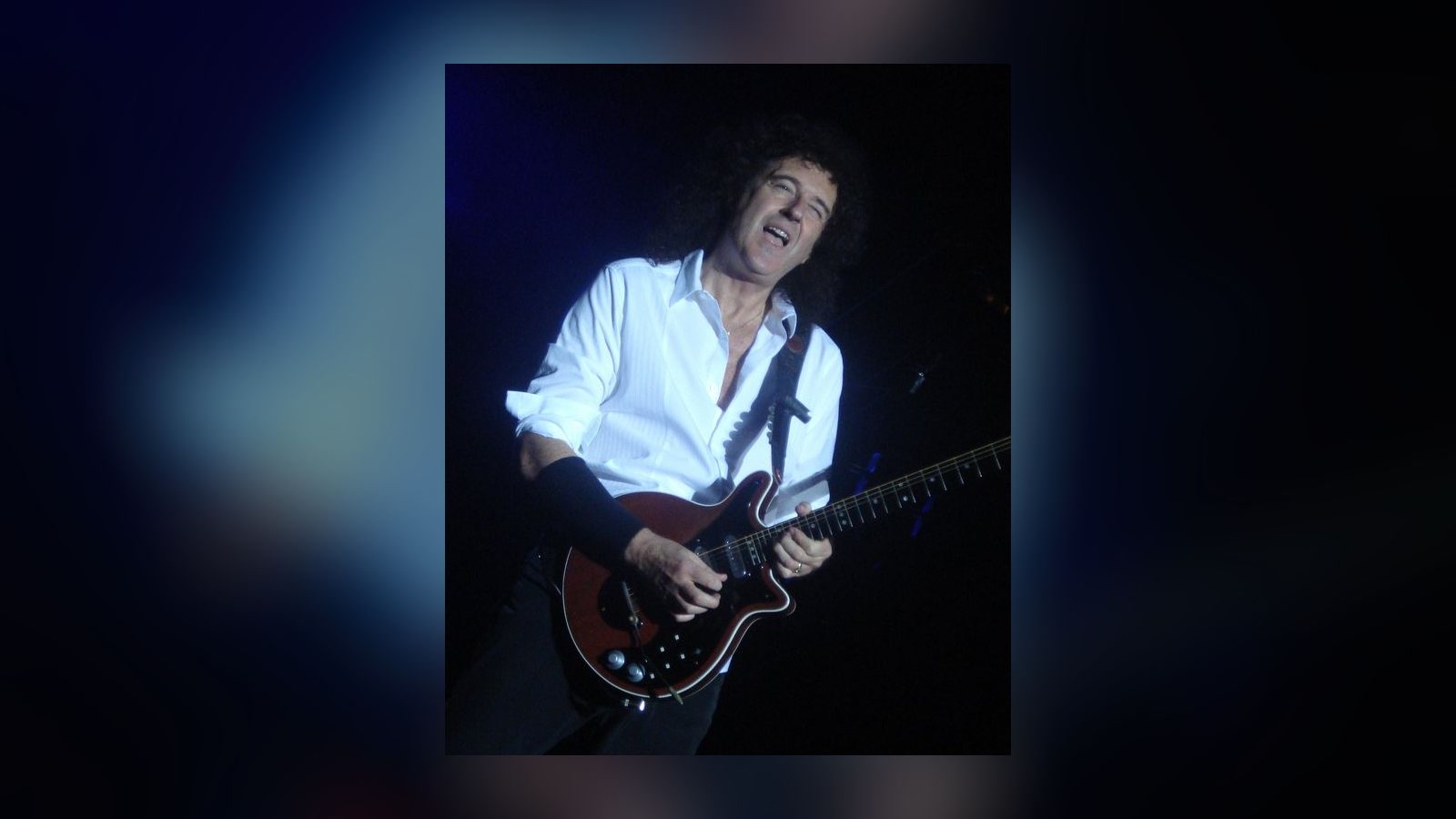
Photo: Akonnchiroll / CC BY-SA 4.0 via Wikimedia Commons
Sony Music says it has now asked streaming and social platforms to remove more than 260,000 AI-generated deepfake tracks that imitate its artists. The number covers requests to the end of September 2026, which means it counts takedowns Sony has asked for, not tracks platforms have confirmed as deleted.
The pace is the story. Sony reported about 135,000 requests by the end of March 2026, so the total has nearly doubled in six months. The label says it has filed more than 20,000 requests a month across the second and third quarters, from 1 April to 30 September.
What a deepfake track is
These are songs made with generative AI that copy a real singer's voice or likeness without permission, then get uploaded as if they were the real thing. They can sit on streaming services under an artist's name or on social platforms, and fans can be misled into thinking a new release is official.
Sony has named Harry Styles, Adele, Britney Spears, Queen and Michael Jackson among the artists whose voices have been imitated.
How fast the number has climbed
Earlier figures from the company show a steady acceleration: roughly 10,000 requests by November 2023, about 75,000 by March 2025, 135,000 by March 2026 and now more than 260,000.
Sony says the tracks are made at scale, harm artists and mislead fans, and that it will keep enforcing its artists' rights and expects platforms to act quickly and to stop the same content reappearing. The company has also described the work as an uphill struggle. Sony Music executive Dennis Kooker said in March that deepfakes are a demand-driven problem, and he has argued that platforms are slow to remove them when asked.
Why it matters
Takedown requests are a blunt tool. If the same fake can reappear within hours, volume alone does not solve the problem, which is why Sony is pressing platforms to build in prevention rather than react case by case. For listeners, the practical advice is simple: check that a new release comes from an artist's verified profile, and be wary of "leaked" songs from big names that appear without any announcement.
We will follow how platforms respond. For more on how the business is changing, see our music industry coverage, and artist pages for Harry Styles and Adele.
Share this story