FeatureEmily Orchard7 min read
Sade enter the Rock Hall as four people. The sound R&B copies was built by all four
Snoh Aalegra's Legendary Love is out today. From Maxwell to Sweetback, the Sade sound has always travelled through the band's players, not just the voice.
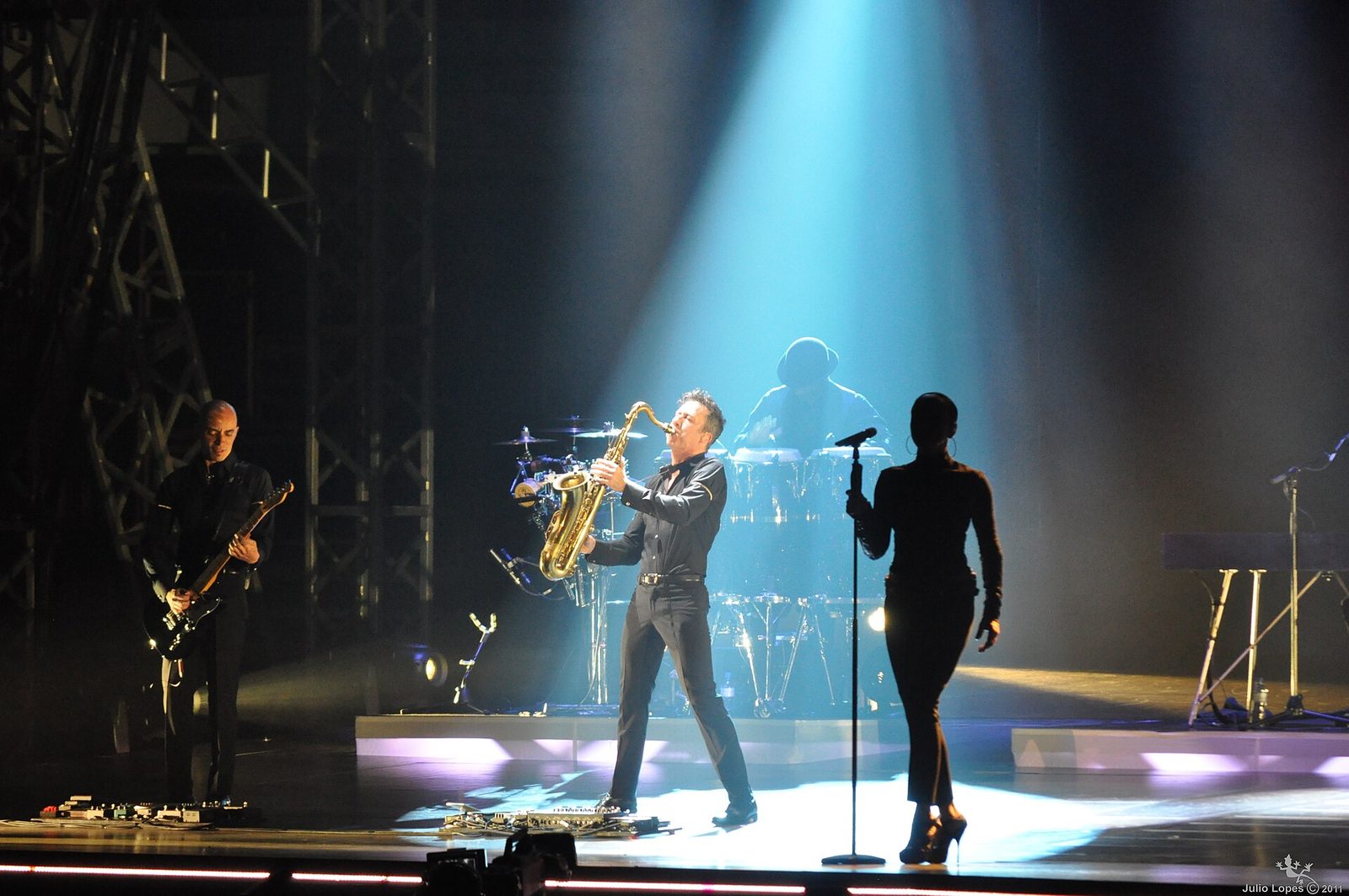
Photo: Julio Lopes / CC BY 2.0 via Wikimedia Commons
On 10 November, a short note went up on Sade's official website, written in capitals. It apologised for not coming to Los Angeles, where the Rock and Roll Hall of Fame inducts the band at the Peacock Theater on Saturday 14 November. Then it signed off with four first names and a fifth: "SADE, STUART, ANDREW AND PAUL. MIKE PELA, THE FIFTH SADE…THIS IS AS MUCH YOURS AS OURS MIKE."
Read that sign-off twice. Most of the world hears Sade as one woman: the voice, the hoops, the slicked-back hair, the Love Deluxe cover that Drake commissioned as a nine-foot clay sculpture this April. Even the Hall's own page, which lists all four members as inductees, names only one of them in its text, and the quote it chose from Beyoncé begins "Her music". The band's note says something different.
Here is ADMC's argument, on the day Snoh Aalegra's Legendary Love arrives as the latest record in Sade's long shadow: the sound R&B has chased for 40 years was built by a band, and every time it has travelled to a new generation, it has travelled through the players. The singers who get closest to it are the ones who hire a band, not the ones who copy a mood.
Two men from Hull and a voice from Ibadan
Sade started as a breakaway from Pride, a seven-piece Latin funk outfit in early 1980s London. Sade Adu, born in Ibadan in Nigeria and raised in Essex, sang with them. So did a saxophonist called Stuart Matthewman, and the bassist was Paul Spencer Denman. Matthewman and Denman had both come down from Hull, the Yorkshire port city. Denman had spent five years as an apprentice making metal aircraft parts at Hawker Siddeley, qualifying as a coppersmith, before moving to London in 1981.
The four-piece played its first gig at Ronnie Scott's jazz club in December 1982, opening for Pride. Andrew Hale joined on keyboards in mid-1983. The name went on the band because it was the singer's name, and Epic Records printed "Pronounced Shar-day" on the labels. Then, quietly, the group did something few pop bands do: after 1986 it stopped having a drummer at all, bringing in session players instead. The core was bass, keys, sax and guitar, and a voice. The gaps were the point.
Look at the writing credits on the records people treat as Sade Adu's diary. "No Ordinary Love" (1992) is Adu and Matthewman. "Cherish the Day" (1993) is Adu, Matthewman and Hale. "Kiss of Life" (1993) is all four of them, produced by the band with Mike Pela, the engineer they met at Robin Millar's Power Plant studio in London and kept for nearly 40 years.
That song is the whole case in four minutes. Denman's bass carries as much melody as the vocal, Hale's chords hang in the air instead of filling it, and the sax answers the singer rather than soloing over her. Strip the voice out and you still know whose record it is.
What happened when the voice went quiet
After Love Deluxe in 1992, Sade the band went silent for eight years. The players did not.
In 1996, Matthewman, Hale and Denman made an album under the name Sweetback, with guest singers instead of Adu. The best-known song, "You Will Rise", is sung by Amel Larrieux, and it sounds like a Sade record because the people who made Sade records made it.
The bigger move happened the same year in New York. Columbia Records signed a young Brooklyn singer called Maxwell and, wary of letting a newcomer produce himself, put Matthewman on the project. He co-wrote three of the 11 songs on Maxwell's Urban Hang Suite: "Welcome", "Whenever Wherever Whatever" and "Lonely's the Only Company". He played saxophone and guitar on it. And the album was mixed by Peter Mokran and by Mike Pela, the same "fifth Sade" from the band's note.
Urban Hang Suite is now filed, with D'Angelo's Brown Sugar and Erykah Badu's Baduizm, as one of the three records that launched neo-soul in the late 1990s. That means a straight line runs from a Hull saxophonist through the most important R&B movement of that decade, and almost nobody draws it. Matthewman went on to co-produce Maxwell's Embrya (1998), Now (2001) and blackSUMMERS'night (2016).
The others kept moving too. Matthewman scored films, starting with the Polish brothers' Twin Falls Idaho (1999), and made dub records as Cottonbelly. Hale co-wrote the score for the 2011 detective game L.A. Noire with his brother Simon. The sound did not sit in a vault waiting for its singer. It went out to work.
The case for the voice, and why it is not enough
The other side deserves a fair hearing, and it is strong. Sade Adu's voice is the one thing that never changes across six albums; the Hall's own history says as much. She wrote "By Your Side" (2000) alone and produced it with Pela. She co-wrote "Smooth Operator" in the Pride days with Ray St. John, before the band as we know it existed. When Sade returned in 2010, Soldier of Love became their first album to debut at No. 1 in the US, and nobody bought it for the bass player. The face, the stillness and the refusal to do press are part of the art, and Adu's control over all of it is the reason the band never sold out.
All true. But influence works on what can be copied, and a voice cannot. What younger artists can borrow is the architecture: the slow tempo, the instruments that leave space, the bass that sings, the dry and close mix. That architecture came from four people in a room with an engineer. Artists who borrow only the image, the satin and the candlelit mood board, end up with something closer to a perfume advert than a Sade record.
Legendary Love and the people who get it right
Which brings us to today. Snoh Aalegra was born in Uppsala, Sweden, in 1987 to Iranian parents, and she has been compared to Sade since her 2017 debut, Feels. Legendary Love, her first album since 2021, has 13 songs written and recorded over about two and a half years. The detail that matters is on its centrepiece single, "I Love You": Nile Rodgers plays guitar and Raphael Saadiq plays bass. Aalegra co-wrote it with her longtime collaborator Joel Compass and co-produced it with Compass and Josh Grant.
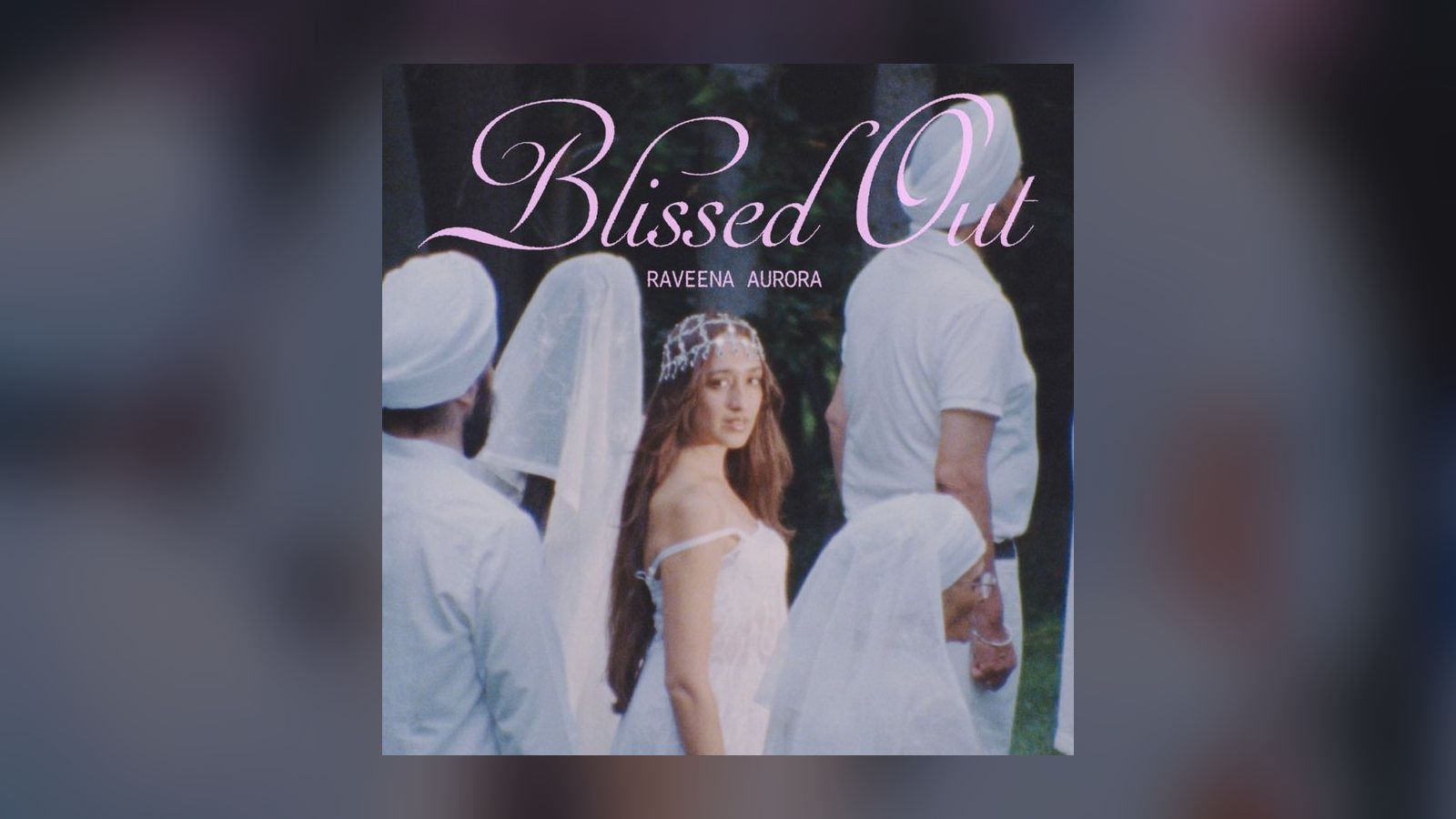
That is the Sade lesson learned properly. Not a borrowed silhouette, but two of the most distinctive players alive given room to talk back to the singer, the way Denman and Matthewman always did. You can hear the same instinct in Raveena, the Punjabi-American singer who has been writing with the same producer, Everett Orr, since 2015. The hush in her music is a working relationship, not a filter.
On Saturday night in Los Angeles, the Hall will read out four names to a stage none of them is standing on. It fits. Sade were always easiest to see in the dark, a silhouette at the microphone and three men half-lit behind her. The next record that truly sounds like them will not come from a singer who studied Sade Adu. It will come from three or four people who have played together long enough to leave the gaps in the same places, and an engineer who knows when to turn everything down.
More on Sade, Snoh Aalegra, Raveena and Drake.
Up next
Snoh Aalegra's Legendary Love is out today, her first album in five years
Thirteen songs, a Nile Rodgers and Raphael Saadiq guitar-and-bass pairing, and the Stockholm-raised R&B singer's first full album since 2021. Where to start.
Share this story