FeatureVasu Khajuria4 min read
Emiway Bantai, "Safal" and thirteen years of doing it his way
The Mumbai rapper's Red Bull 64 Bars single is a good excuse to look at how he built one of Indian hip-hop's biggest careers without waiting for permission.
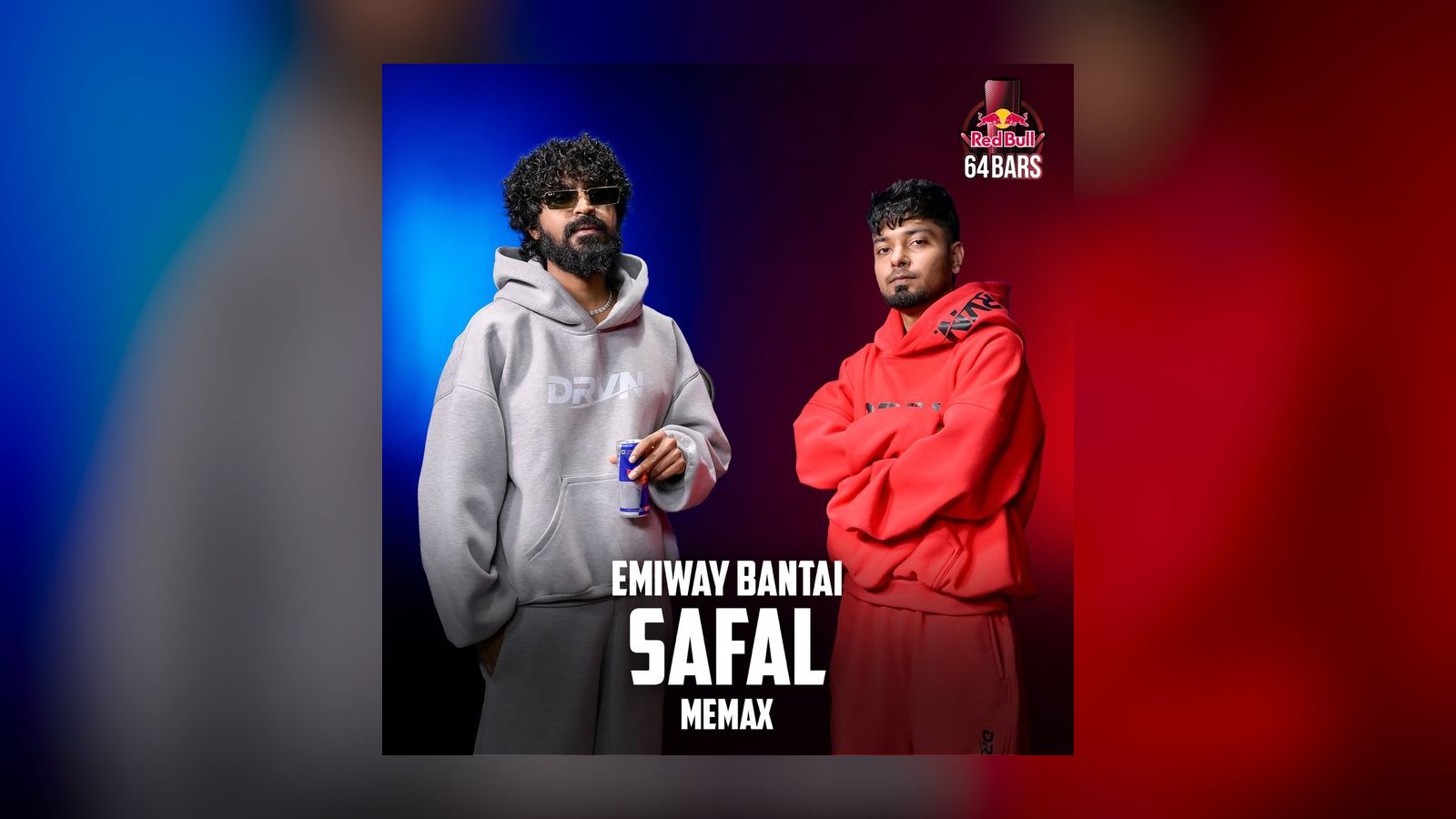
Artwork: Emiway Bantai & MEMAX
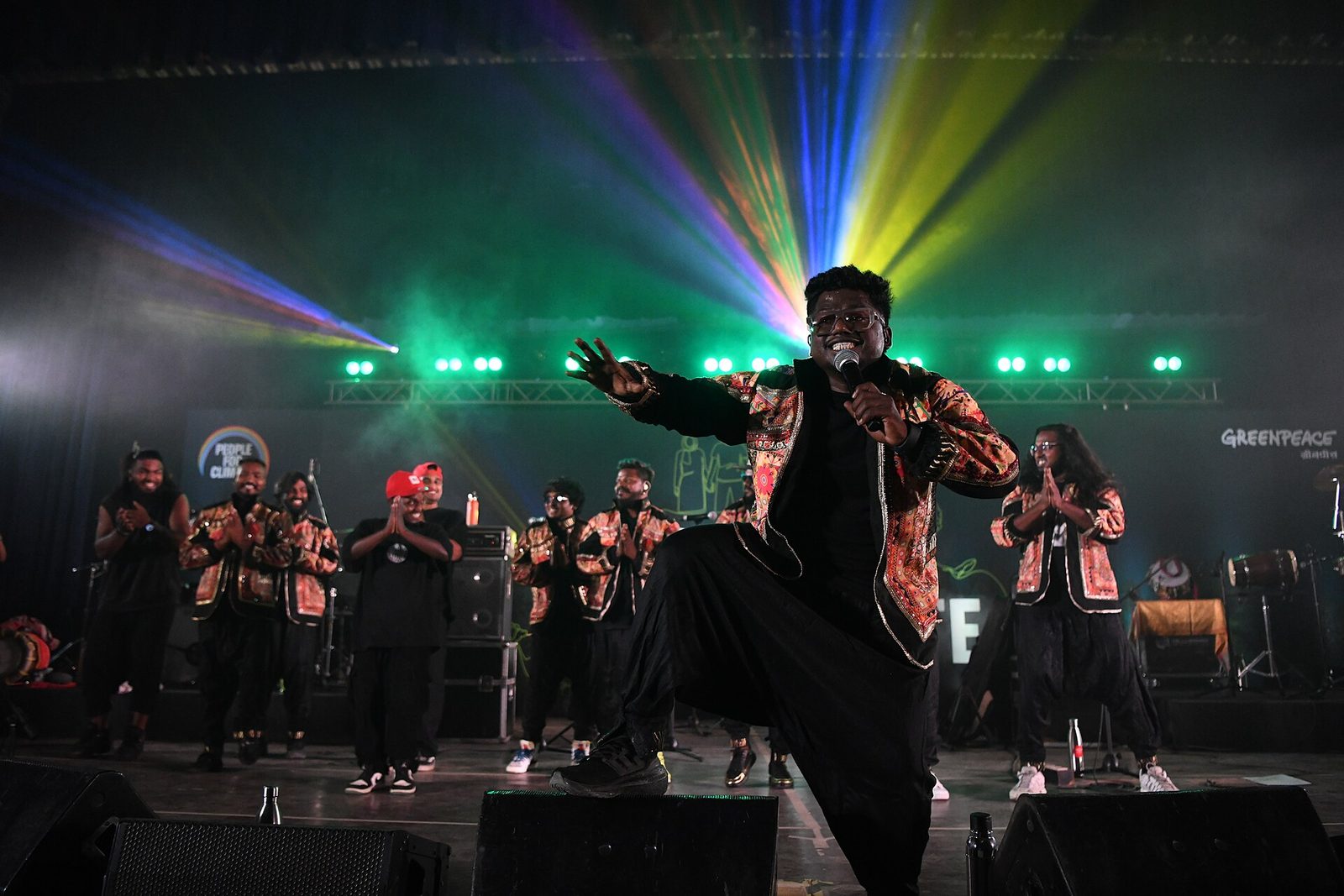
Most rappers get one origin story. Emiway Bantai has spent more than a decade turning his into a running theme. His latest single, "Safal", is the newest chapter, and it arrives inside one of the biggest showcases Indian hip-hop has right now.
What "Safal" is
"Safal" came out on 20 August 2026 as part of Season 4 of Red Bull 64 Bars, the series Red Bull runs in India with Def Jam Recordings India. The idea, as the name says, is a rapper and 64 bars to make a case for themselves.
The credits on the official video list Emiway as writer, with Memax and Emiway sharing production and the mix and master. Def Jam Recordings India is the label. The video was directed by Tirth Dodia of Lost Films and sits on Emiway's own YouTube channel.
The season's launch material describes "Safal" as reflective but confident, a track about going from doubted to independent. It shares the season with Dhanji's "FUNK YOU PAY ME" (produced by Karan Kanchan) and Naam Sujal's "Bajesh Vishay" (produced by Hisab), with more artists to come, including Vichaar, Shia OG, Yung Sammy, MC Gawthi, J Queen and Kid Mange, as Adgully reported when the season was announced.
That spread of cities and languages is the point. In an interview with The Hindu published on 24 September 2026, Emiway made the case that Indian hip-hop has always been rapped in many languages, from Hindi and English to Marathi, Gujarati and Punjabi. What has changed, in his view, is that platforms like 64 Bars now give all of them, and newer artists, a proper spotlight. He told the paper he wrote "Safal" to land with his longtime fans while also showing newcomers how rap actually works: the words, the flow, the skill.
The long road to "Safal"
Emiway, born Bilal Shaikh, built his name in Mumbai, and the name itself is a nod to two early heroes, Eminem and Lil Wayne. He started releasing music in 2013, and his breakthrough "Aur Bantai", by his own account to The Hindu, brought Bombay street slang into the scene at a time when few rappers were using it. In 2019 "Machayenge" became a full-blown hit, landing the same year Gully Boy pushed Mumbai rap into the mainstream.
He has never been shy about conflict. His 2018 track "Samajh Mein Aaya Kya", aimed at Raftaar, was his first official diss and set off one of the scene's loudest feuds. Speaking to The Hindu, though, he pushed back on the idea that disses are a marketing tool. A diss, he said, needs a real reason behind it, and nobody becomes famous just by picking a fight.
Then there is the independence. Emiway set up his own label, Bantai Records, in 2021, the same year he released his debut album, Malum Hai Na. In 2020 he worked with Snoop Dogg on "New World" and got a Macklemore remix of "Firse Machayenge". He told The Hindu that those international collaborations came to him directly, and that he has never paid to make a feature happen, even though he knows that route exists.
What he is telling the next generation
The most useful part of that interview is not about Emiway at all. Asked what he would tell younger rappers, he kept it practical: be yourself, rap in your own style, and do not quit your day job just because a song gets a million views. Keep a side hustle, he said, until rap can genuinely support your whole household.
He also spoke about responsibility. He said that with an audience as big as his, the pen comes with a duty to speak for people, and he framed that as being a voice for the public rather than a political stance.
Why it matters
There is a version of Indian hip-hop history that skips straight from Gully Boy to festival main stages. Emiway's career is the other version: years of uploads, slang that sounded like his own street, a label he owns, and features that came because people wanted them.
"Safal" sitting next to Dhanji and Naam Sujal on 64 Bars says something too. The veteran who once had to fight for space is now sharing a platform built to give regional voices theirs. He also told The Hindu that his next project is entirely freestyled, straight into the mic with nothing written down. We will be listening when it lands.
Share this story