ProfileRonit Singh4 min read
Artist Spotlight: Duster made the quietest record of 1998, and it found its audience on your phone 25 years later
The San Jose slowcore band split in 2005, came back in 2018 and now sit on playlists next to Slowdive and Tame Impala. Here is where to start.
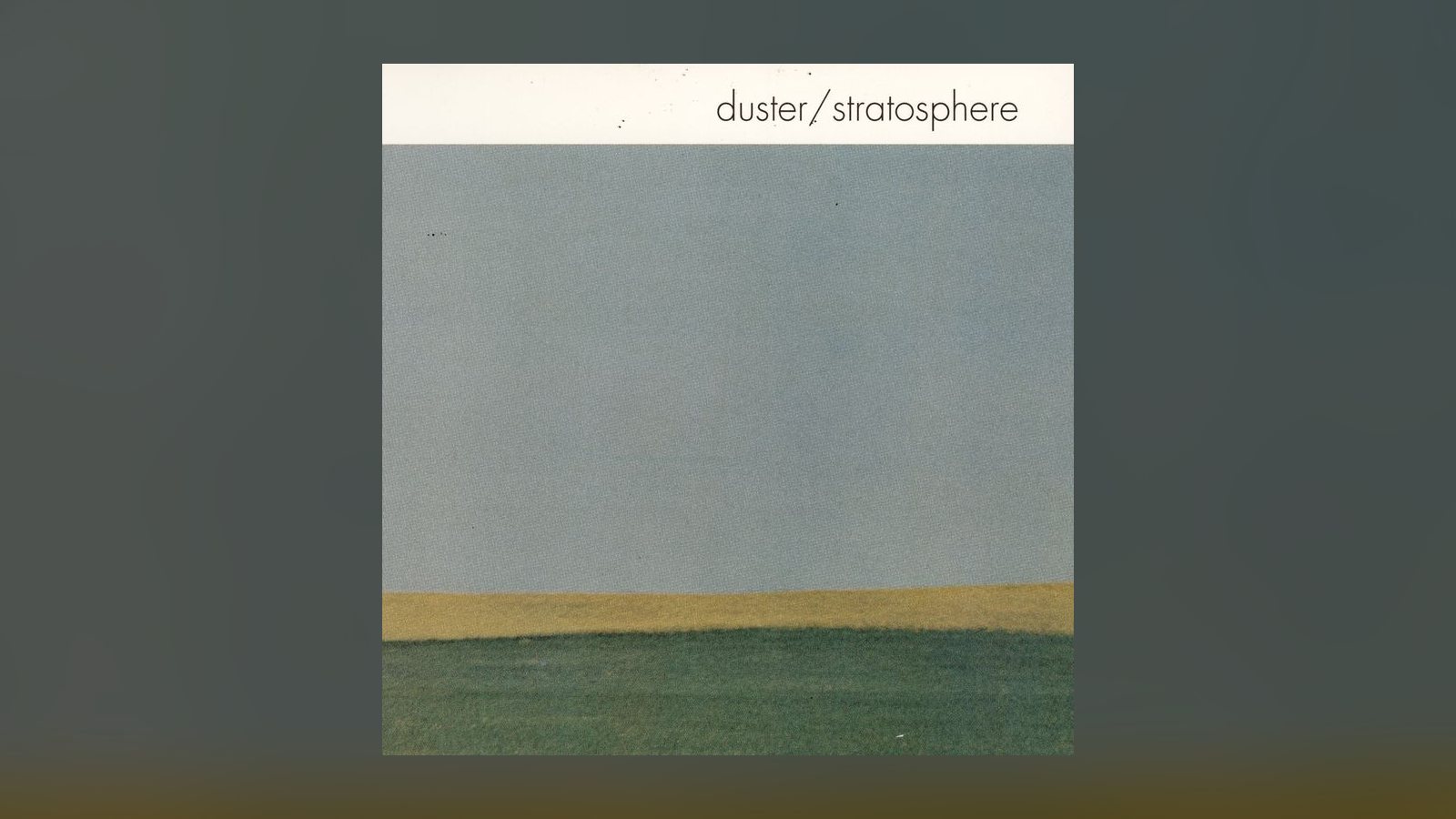
Artwork: Numero Group
Some bands get found by a critic. Duster got found by a phone. Two friends from San Jose, California recorded a debut on cassette decks and secondhand gear in 1998, the record went out on a small Seattle label, and for most of two decades it stayed a secret passed between people who owned too many CDs. Then short videos set to its songs started travelling, and a whole new generation hit play on a 25-year-old album at 2 a.m.
If a Slowdive record, a Mac DeMarco guitar tone or a Tame Impala haze lives on your late-night playlist, Duster is the deep cut it leads back to.
Who they are
Duster formed in San Jose in 1996 around Clay Parton and Canaan Dove Amber, two multi-instrumentalists who made music at home in a studio they called Low Earth Orbit. They worked on cheap, older gear, including cassette decks, and that hiss is part of the sound. Drummer Jason Albertini joined in 1998 and became a full member by their second album.
The music is slow, hazy and a little lonely: guitars that sound like they are floating, drums that barely push, vocals buried half under the mix. Fans call it slowcore or space rock. The simpler description is bedroom music made at the speed of a long drive home.
Start here
- "Inside Out": the song most people meet first, from the debut album Stratosphere (released 24 February 1998 on Up Records). It runs barely two minutes and says everything about the band. Beach Fossils later covered it.
- "Constellations": another Stratosphere highlight, drifting and spacious, the one to play when the room goes dark.
- "The Queen of Hearts": a longer, more melodic cut from the same record, proof they could write a tune under all the fuzz.
- "Stratosphere": the title track, nearly seven minutes, the album's slow-burn centrepiece.
- "Ghoulish": from their 2019 comeback album Duster, to show the sound survived two decades away.
Hear the comeback record in full:
And one track from it on its own:
Then go back to the beginning with Stratosphere on Apple Music.
The long way back
The story has a gap in it. After a second album, Contemporary Movement (2000), the band went quiet, and in 2005 they split while recording new music. Their original label's founder had died in 2000, and the catalogue drifted out of print.
On 13 April 2018 they posted on Instagram that they were "recording a little bit". They played Warsaw in Brooklyn on 14 December 2018, supporting Alex G, and a boxset, Capsule Losing Contact, collected the old records through The Numero Group in March 2019. A self-titled album followed on 13 December 2019, then Together on 31 March 2022 and In Dreams on 30 August 2024. Parton and Amber have said they were working on new music in 2026 as well, so the story is still moving.
Why now? Part of it is the internet doing what it does to quiet records. Part of it is that a slow, unhurried, slightly sad guitar band fits a generation that studies and works with headphones on.
If you like Duster, try
- Slowdive: the same weightless guitars, with a sweeter melody. Read our If you like Slowdive list for the next steps.
- Mazzy Star: the 1990s original for slow, drowsy songs made to be played alone.
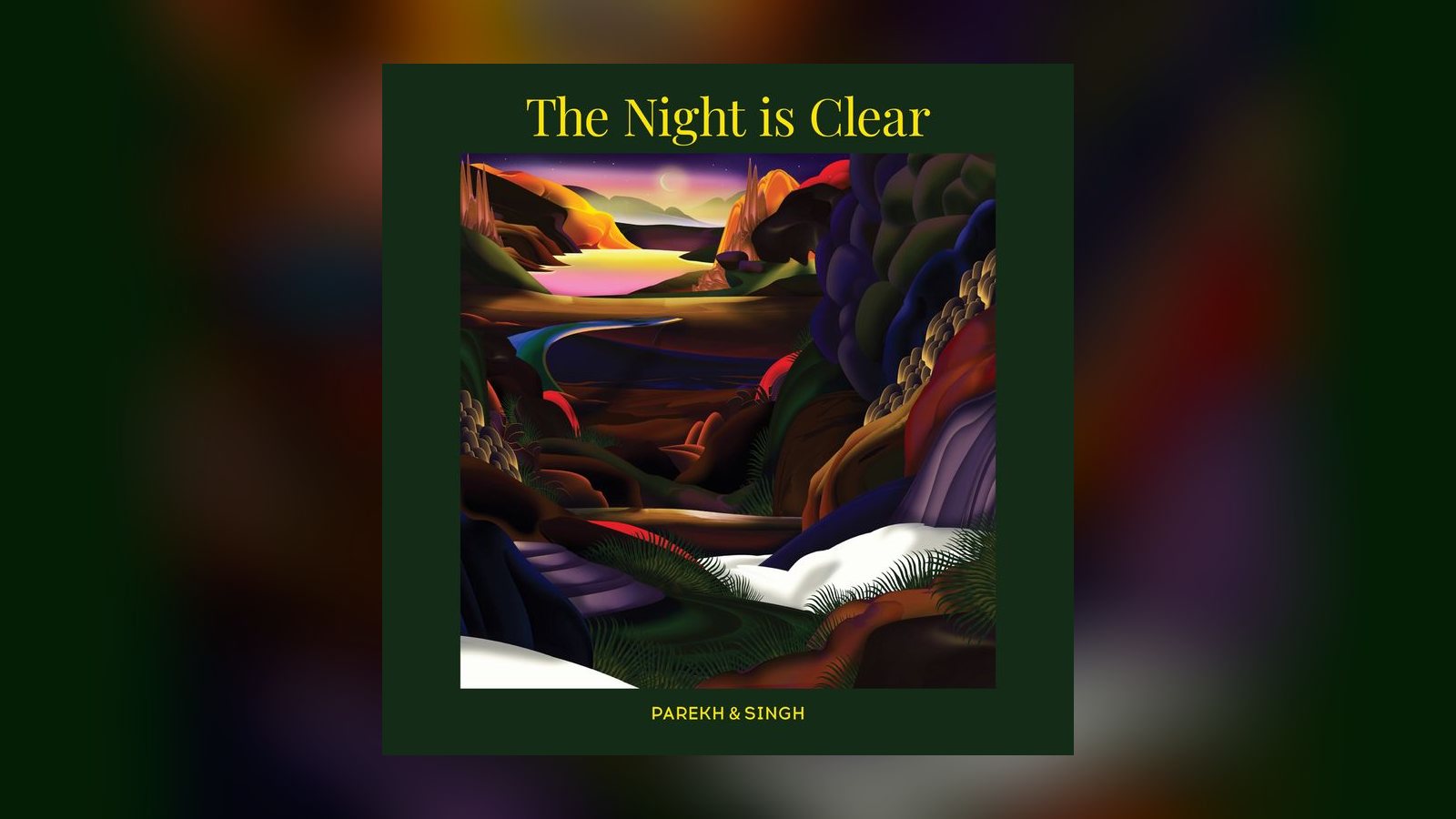
- Parekh & Singh: Kolkata's dream-pop duo, the same half-asleep warmth from the home scene.
- Peter Cat Recording Co.: Delhi's late-night cult band, for the same feeling in a different accent.
More from our Artist Spotlight series sits at alldaymusic.club/series/artist-spotlight.
Up next
Artist Spotlight: Mazzy Star is the slowest band in the room, and your Cigarettes After Sex playlist runs on them
Hope Sandoval and David Roback made hushed, slide-guitar songs in 1990s Los Angeles that still sound like 2 a.m. Here is where to start, and who carries it on.
Share this story